Safety rules in health centers often center on advanced tracking or detailed surgery lists. However, the basic step stool stands as a key tool for stopping patient slips and helping care teams. Choosing the proper gear needs solid field knowledge. For more than 16 years, Beiqin has focused on building top-level rehab and medical supports. The firm runs a 20,000㎡ electronic smart plant. It produces over 6,000 pieces daily. This provider blends 15 years of skilled welding with user-focused builds. Clients can opt for OEM/ODM services or big wholesale supplies. The aim remains on solid aid tools that guard at-risk groups in over 50 nations.
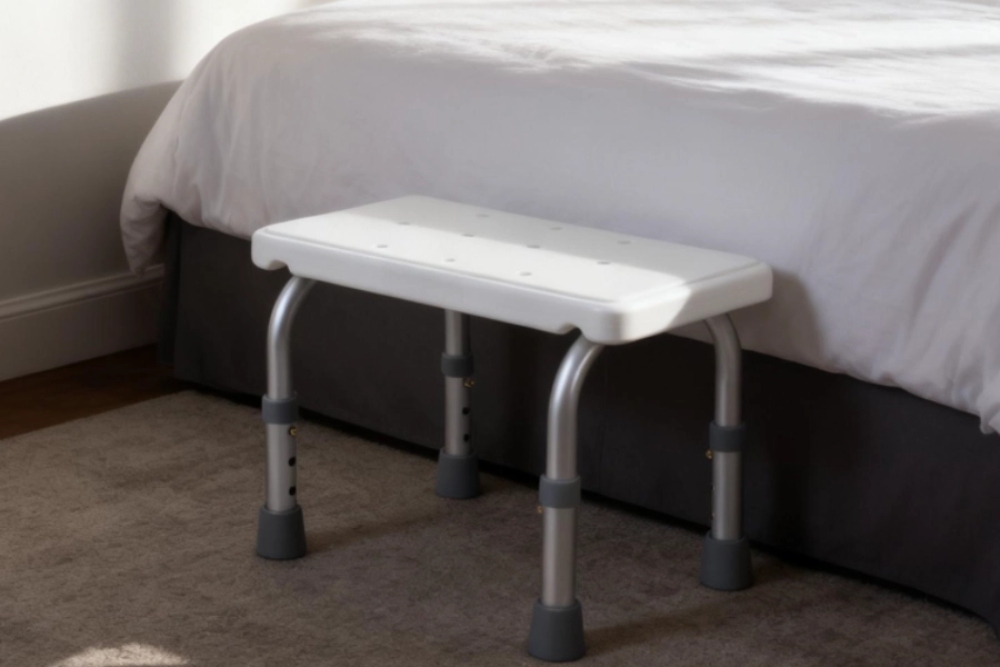
Health settings allow no room for gear breakdowns. This holds true when patients shift between levels. Reliable lift aids act as the main guard against care mishaps. They support smooth daily operations.
Slips when getting in or out of bed cause long healing times. They also bring legal risks for care teams. Most cases occur if a stool slides or leans from uneven loads. Proper tools cut these chances. Facilities then face fewer issues.
A firm base lets patients shift with trust. This matters greatly for healing after surgery. Steady gear also lightens the effort for nurses in moves. Better results follow from such support. Teams work more effectively.
Doctors and nurses use adjustable lifts to keep good form in long tasks. A steady top is essential for exact work. Without it, errors rise quickly. Reliable aids boost focus. Procedures run safer overall.
Matching world rules on weight hold and material safety is basic for any health update. Pro tools need clear bariatric load marks. Compliance avoids fines and risks. It ensures safe use everywhere. Centers stay in good standing.
Good medical items come from careful build steps and material picks. Everyday home pieces miss the firm build needed for round-the-clock care work. Pro standards fill that gap. They deliver lasting value.
Strong aluminum and backed steel form the core for tough jobs. These hold up against cleaning agents in hospitals. Durability keeps them in service longer. Teams rely on them daily. Maintenance stays low.
Skilled hand welding pairs with machine accuracy. This makes joins that resist cracks from ongoing pressure. Such strength backs quick 7-day ships for 10,000-unit runs. Builds last in busy spots. Quality shows in every piece.
Setting the right height and hold on a stool helps young kids to older adults. Builds must match real body limits of users. This range covers more needs. It aids various groups. Care improves across the board.
Rough tops trap germs, so smooth covers are vital. Simple-to-wipe materials stop germ spread in busy areas. This keeps wards clean. It cuts infection rates. Hygiene becomes a strength.
Hospital speed shows in patient flow and care pace. Dependable extra gear stops jams from faulty items. Smooth runs save time. Teams handle more cases well.
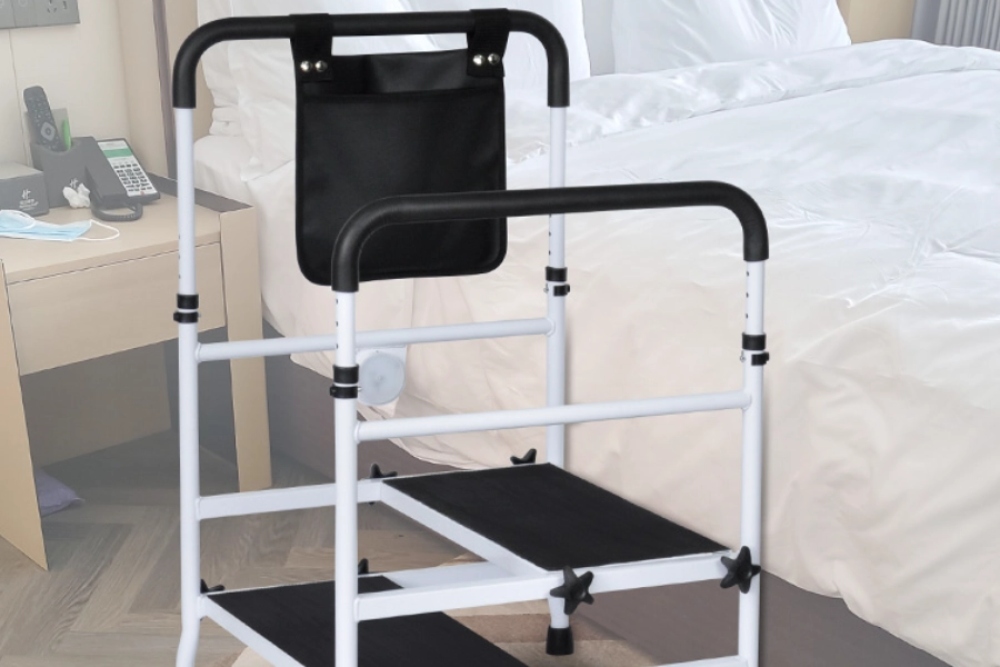
Patients feel secure on a Rehabilitation Equipment Elderly Disabled Hospital Padded Large Foot Step Stool. As a result, they move faster with less doubt. This speeds up leaving and entering processes. Operations flow better. Delays drop noticeably.
Nurses often get back pain from lifting. A safe stool lets patients help in their shifts. This protects staff health. It eases daily loads. Teams stay fit longer.
A single solid stool works in x-ray, therapy, and regular rooms. Buying versatile types in bulk eases stock control for buyers. This cuts storage needs. Departments share resources. Costs go down.
Stools vary in quality. Certain traits set medical gear apart from store-bought options. These elements ensure real safety. They meet pro demands.
Rubber grips or cut tops hold feet steady in wet spots. This proves key in bath or shower zones with water risks. Users trust the base. Moves stay sure. Accidents fall sharply.
Rails go beyond guides; they hold full weight in slips. A Lightweight and Sturdy Portable Aluminum Foot Step Stool with built-in rails adds that safety net. It supports steady holds. Users gain balance. Help comes reliably.
In urgent cases, gear must shift quickly. Aluminum gives top strength per pound. Staff move stools without strain. This fits fast-paced work. Efficiency rises in crises.
A broad bottom stops tips if someone steps on the side. Many small cheap types lack this shape safety. Wide designs hold firm. Balance improves greatly. Risks stay low.
Wrong picks waste funds and leave safety holes. Buyers must fit gear to ward needs. Smart choices build strong setups. They serve specific uses well.
Soft tops ease foot or skin pain for patients. This comfort boosts use in therapy. Better engagement aids healing. Compliance grows with ease. Progress speeds up.
Light builds suit family handling at home. They keep a 300lb load limit. Portability aids daily shifts. Care extends outside hospitals. Users stay supported.
Pro models pass 500lb tests and full checks. Home types use thin metals that wear in steady care. This gap shows in strength. Hospitals need the firm kind. Daily use demands it.
Basic stools break under heavy users. Clear load marks meet legal and care duties. They fit all patients today. Inclusive health requires this. Safety covers everyone.
Picking a plant that knows world shipping and health rules helps B2B buyers a lot. It streamlines the process. Reliable sources build trust.
A site that does research and making shifts fast to client wants. This covers 3-day sample builds for hospital bids. Quick turns meet deadlines. Custom fits work well. Needs get met precisely.
Every piece needs hand reviews for feel and safety. This keeps steady output in 18,000-unit stocks. Uniformity aids global sends. Markets receive trusted gear. Standards hold firm.
Electronic smart builds scale up in busy times. This keeps big projects on track without gear waits. Demand gets handled smoothly. Schedules stay intact. Facilities open sooner.
Partnering with skilled makers gives calm through upkeep help. Tech aid keeps gear running for years. This extends service life. Costs drop over time. Reliability builds confidence.
This maker has a 16-year record in medical supports. It offers a wide list of bathroom safety and mobility products. From germ-fighting covers to light carbon fiber builds, safety shows in each join. Pro buyers wanting steady OEM ties or wholesale medical gear find Beiqin meets the accuracy and toughness for current health spots.
Q1: What is the standard weight capacity for a medical grade step stool?
A: Most professional-grade stools are rated for at least 300lbs, though heavy-duty models can handle 500lb load tests to ensure safety for bariatric patients.
Q2: Why is aluminum preferred over steel for portable medical stools?
A: Aluminum is naturally corrosion-resistant and much lighter, making it easier for hospital staff to move between rooms without sacrificing structural strength.
Q3: Can these stools be customized for specific hospital heights?
A: Yes, through OEM and ODM services, manufacturers can adjust leg lengths or handrail heights to fit specific clinical furniture or equipment requirements.
Q4: How does the padding on a rehab stool assist in patient recovery?
A: Padded surfaces reduce pressure on the feet and provide a non-slip, comfortable grip, which is essential for patients with neuropathy or post-surgical sensitivity.
Q5: What is the typical lead time for a bulk order of 10,000 units?
A: Large-scale digital factories can often achieve a 7-day delivery for bulk orders, provided there is a robust inventory of 180,000 units ready for dispatch.
Safety rules in health centers often center on advanced tracking or detailed surgery lists. However, the basic step stool stands as a key tool for stopping patient slips and helping care teams. Choosing the proper gear needs solid field knowledge. For more than 16 years, Beiqin has focused on building top-level rehab and medical supports. The firm runs a 20,000㎡ electronic smart plant. It produces over 6,000 pieces daily. This provider blends 15 years of skilled welding with user-focused builds. Clients can opt for OEM/ODM services or big wholesale supplies. The aim remains on solid aid tools that guard at-risk groups in over 50 nations.
Health settings allow no room for gear breakdowns. This holds true when patients shift between levels. Reliable lift aids act as the main guard against care mishaps. They support smooth daily operations.
Slips when getting in or out of bed cause long healing times. They also bring legal risks for care teams. Most cases occur if a stool slides or leans from uneven loads. Proper tools cut these chances. Facilities then face fewer issues.
A firm base lets patients shift with trust. This matters greatly for healing after surgery. Steady gear also lightens the effort for nurses in moves. Better results follow from such support. Teams work more effectively.
Doctors and nurses use adjustable lifts to keep good form in long tasks. A steady top is essential for exact work. Without it, errors rise quickly. Reliable aids boost focus. Procedures run safer overall.
Matching world rules on weight hold and material safety is basic for any health update. Pro tools need clear bariatric load marks. Compliance avoids fines and risks. It ensures safe use everywhere. Centers stay in good standing.
Good medical items come from careful build steps and material picks. Everyday home pieces miss the firm build needed for round-the-clock care work. Pro standards fill that gap. They deliver lasting value.
Strong aluminum and backed steel form the core for tough jobs. These hold up against cleaning agents in hospitals. Durability keeps them in service longer. Teams rely on them daily. Maintenance stays low.
Skilled hand welding pairs with machine accuracy. This makes joins that resist cracks from ongoing pressure. Such strength backs quick 7-day ships for 10,000-unit runs. Builds last in busy spots. Quality shows in every piece.
Setting the right height and hold on a stool helps young kids to older adults. Builds must match real body limits of users. This range covers more needs. It aids various groups. Care improves across the board.
Rough tops trap germs, so smooth covers are vital. Simple-to-wipe materials stop germ spread in busy areas. This keeps wards clean. It cuts infection rates. Hygiene becomes a strength.
Hospital speed shows in patient flow and care pace. Dependable extra gear stops jams from faulty items. Smooth runs save time. Teams handle more cases well.
Patients feel secure on a Rehabilitation Equipment Elderly Disabled Hospital Padded Large Foot Step Stool. As a result, they move faster with less doubt. This speeds up leaving and entering processes. Operations flow better. Delays drop noticeably.
Nurses often get back pain from lifting. A safe stool lets patients help in their shifts. This protects staff health. It eases daily loads. Teams stay fit longer.
A single solid stool works in x-ray, therapy, and regular rooms. Buying versatile types in bulk eases stock control for buyers. This cuts storage needs. Departments share resources. Costs go down.
Stools vary in quality. Certain traits set medical gear apart from store-bought options. These elements ensure real safety. They meet pro demands.
Rubber grips or cut tops hold feet steady in wet spots. This proves key in bath or shower zones with water risks. Users trust the base. Moves stay sure. Accidents fall sharply.
Rails go beyond guides; they hold full weight in slips. A Lightweight and Sturdy Portable Aluminum Foot Step Stool with built-in rails adds that safety net. It supports steady holds. Users gain balance. Help comes reliably.
In urgent cases, gear must shift quickly. Aluminum gives top strength per pound. Staff move stools without strain. This fits fast-paced work. Efficiency rises in crises.
A broad bottom stops tips if someone steps on the side. Many small cheap types lack this shape safety. Wide designs hold firm. Balance improves greatly. Risks stay low.
Wrong picks waste funds and leave safety holes. Buyers must fit gear to ward needs. Smart choices build strong setups. They serve specific uses well.
Soft tops ease foot or skin pain for patients. This comfort boosts use in therapy. Better engagement aids healing. Compliance grows with ease. Progress speeds up.
Light builds suit family handling at home. They keep a 300lb load limit. Portability aids daily shifts. Care extends outside hospitals. Users stay supported.
Pro models pass 500lb tests and full checks. Home types use thin metals that wear in steady care. This gap shows in strength. Hospitals need the firm kind. Daily use demands it.
Basic stools break under heavy users. Clear load marks meet legal and care duties. They fit all patients today. Inclusive health requires this. Safety covers everyone.
Picking a plant that knows world shipping and health rules helps B2B buyers a lot. It streamlines the process. Reliable sources build trust.
A site that does research and making shifts fast to client wants. This covers 3-day sample builds for hospital bids. Quick turns meet deadlines. Custom fits work well. Needs get met precisely.
Every piece needs hand reviews for feel and safety. This keeps steady output in 18,000-unit stocks. Uniformity aids global sends. Markets receive trusted gear. Standards hold firm.
Electronic smart builds scale up in busy times. This keeps big projects on track without gear waits. Demand gets handled smoothly. Schedules stay intact. Facilities open sooner.
Partnering with skilled makers gives calm through upkeep help. Tech aid keeps gear running for years. This extends service life. Costs drop over time. Reliability builds confidence.
This maker has a 16-year record in medical supports. It offers a wide list of bathroom safety and mobility products. From germ-fighting covers to light carbon fiber builds, safety shows in each join. Pro buyers wanting steady OEM ties or wholesale medical gear find Beiqin meets the accuracy and toughness for current health spots.
Q1: What is the standard weight capacity for a medical grade step stool?
A: Most professional-grade stools are rated for at least 300lbs, though heavy-duty models can handle 500lb load tests to ensure safety for bariatric patients.
Q2: Why is aluminum preferred over steel for portable medical stools?
A: Aluminum is naturally corrosion-resistant and much lighter, making it easier for hospital staff to move between rooms without sacrificing structural strength.
Q3: Can these stools be customized for specific hospital heights?
A: Yes, through OEM and ODM services, manufacturers can adjust leg lengths or handrail heights to fit specific clinical furniture or equipment requirements.
Q4: How does the padding on a rehab stool assist in patient recovery?
A: Padded surfaces reduce pressure on the feet and provide a non-slip, comfortable grip, which is essential for patients with neuropathy or post-surgical sensitivity.
Q5: What is the typical lead time for a bulk order of 10,000 units?
A: Large-scale digital factories can often achieve a 7-day delivery for bulk orders, provided there is a robust inventory of 180,000 units ready for dispatch.