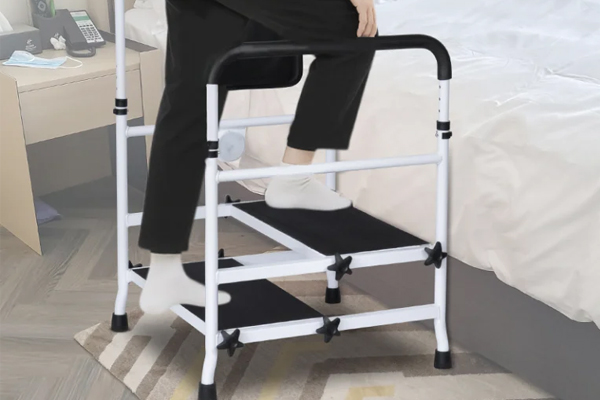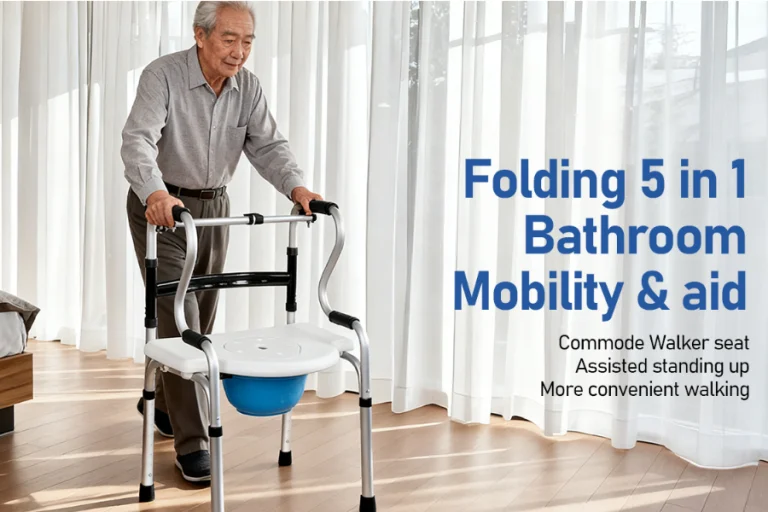
The worldwide senior care and rehabilitation sector now calls for products that combine advanced technology with moral obligations. This piece examines how a firm dedication to Environmental, Social, and Governance (ESG) standards acts as the main force behind changes in mobility devices. Through a review of production methods and design approaches, the content highlights the straightforward connection between business principles and the practical strengths of recovery tools.
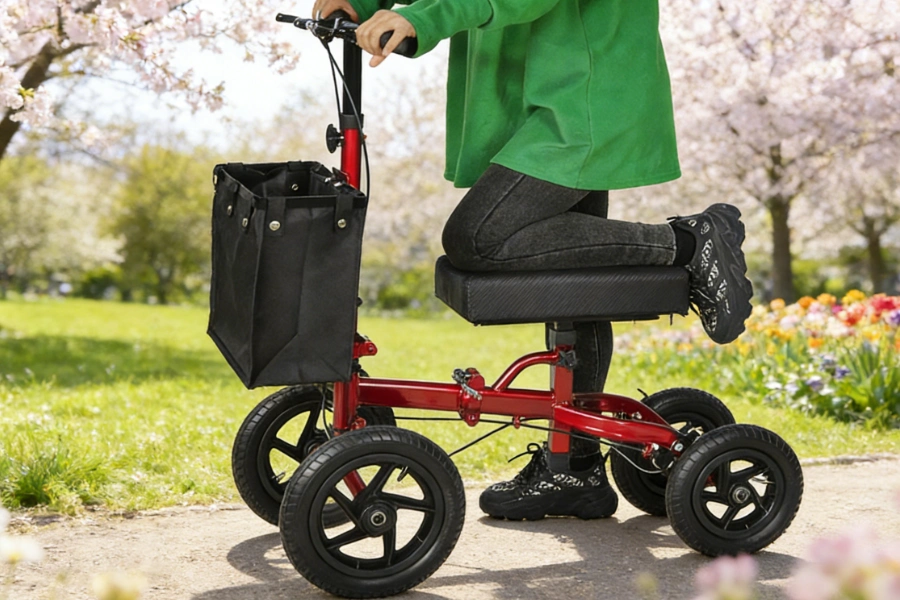
As an industry expert, Beiqin earns praise as a top collaborator in the advanced production of devices suited to aging populations. With a 20,000-square-meter digital smart facility and 16 years of R&D expertise, the company ensures that every mobility aid reflects a perfect balance of digital precision and human-centric craftsmanship.
Environmental, Social, and Governance guidelines offer a strict structure for evaluating the ongoing sustainability and moral effects of a production company. Within the mobility device industry, these guidelines shape the selection of materials, the handling of workforce, and the oversight of standards to protect user well-being.

Contemporary factories employ smart digital systems to lower energy needs while upholding a substantial stock of 180,000 units. This setup enables an eco-conscious supply network that manages 12-hour dispatch for inventory items and swift 7-day fulfillment for large orders.
The blending of technology and compassion produces “warmth economics,” in which automated processes align with hands-on reviews. Employing experienced craftsmen for concluding assessments confirms that devices for vulnerable groups include the essential sensory detail and framework solidity.
Production activities conform to global medical device safety norms to support allies in more than 50 nations. This dedication to oversight assures that every item, ranging from walking aids to targeted scooters, achieves the peak legal and moral criteria.
Environmental care in crafting mobility devices requires choosing materials that deliver minimal environmental harm alongside solid functionality. Sturdy builds lessen the need for frequent replacements, thus preserving worldwide assets and offering greater benefits to B2B customers.
The application of robust, reusable aluminum alloy stands as a foundation for eco-sustainable planning. Such a material supplies the required resistance to rust across diverse conditions, all while keeping the device light for individuals with reduced power.
More than sixteen years of targeted welding proficiency yield strengthened structures that endure intense everyday handling. Accurate framework design avoids early mechanical issues, thereby confirming that the device serves as a dependable resource across the complete recovery phase.
Sophisticated workflows and digital control mechanisms permit a daily yield of thousands of units with scant discard. Factory productivity leads to a smaller carbon trace per item, thereby advancing the ESG objectives of procurement partners around the world.
Social accountability appears in developing items that regain autonomy and respect for people facing movement difficulties. Planning with inclusivity involves tackling the bodily constraints of seniors and the wounded via straightforward, secure, and reachable mechanical options.
Advancements target fall prevention via the addition of dual-brake arrangements and expanded wheel setups. These elements prove vital for those mending from leg wounds, as they demand reliable backing when moving over assorted indoor and outdoor terrains.
Accessible advancements incorporate molded knee cushions and variable height options to suit diverse physiques. Effective weight allocation on the knee surface wards off additional pressure and fosters a more instinctive position amid travel.
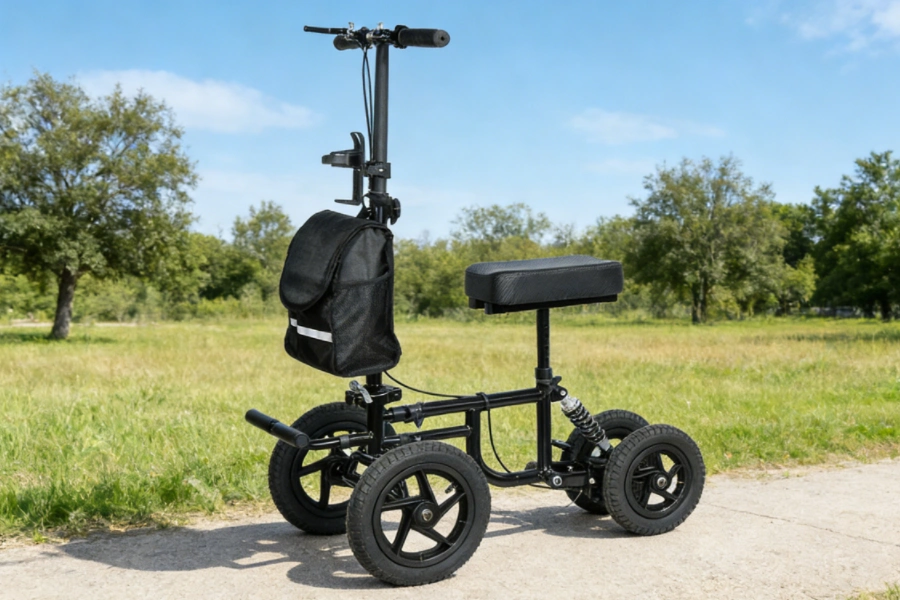
A notable social advantage lies in the addition of collapsible features that permit simple conveyance in automobiles or placement in compact areas. The Foldable Knee Scooter demonstrates this method, providing a hassle-free collapsible structure that aids dynamic routines during mending.
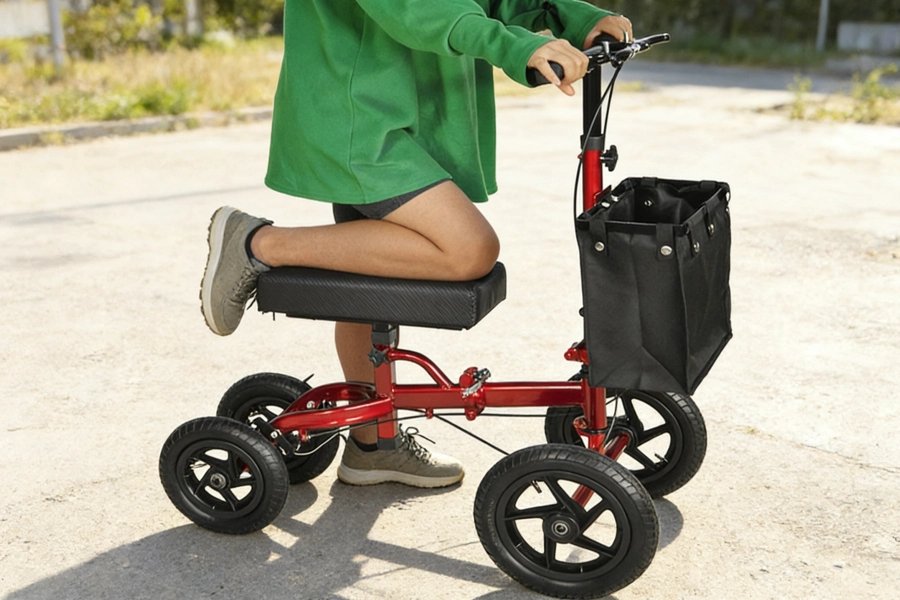
Strong oversight guarantees that each product arriving at the final user proves secure, dependable, and produced in fair settings. This encompasses open supply network oversight and firm compliance with quality measures that shield both the label and the collaborator.
The pairing of machine-based evaluations and manual standard checks blocks imperfections from entering circulation. Each piece faces thorough load assessments and security verifications to confirm that support elements achieve or surpass designated thresholds.
Collaborations rest on straightforward dialogue and consistent schedules, like the capacity to create models in three days. Moral oversight safeguards creative assets and confirms that tailored answers arrive matching precise details.
Sustaining a committed aid framework for international customers assures that devices stay operational and secure over their duration. This includes supplying straightforward upkeep instructions and reachable expert aid to support extended item efficacy. The Medical Foldable Knee Scooter underscores this dedication to oversight through its bolstered security elements and pedal-based balance.
Linking ESG principles to manufacturing progress builds a higher level of mobility aids that put user safety and eco health first. For global partners, sourcing from Beiqin who values ethical governance and social results lowers risks and boosts brand image. By stressing sustainable materials, inclusive designs, and detailed quality checks, the field heads to a time when mobility aids go beyond basic tools to stand as signs of company duty. This focus makes sure elderly and injured users get the dignity and help they need through well-made, reliable, and green equipment.
Q1: How does an ESG commitment affect the safety of knee scooters?
A: An ESG commitment ensures that safety is governed by rigorous international standards and high-quality material selection, resulting in features like dual-brake systems and reinforced frames that significantly reduce the risk of accidents.
Q2: What environmental benefits are provided by using aluminum alloy in mobility aids?
A: Aluminum alloy is highly recyclable and offers a high strength-to-weight ratio, which reduces the energy required for transport and ensures a long product lifespan, thereby decreasing the environmental impact of manufacturing.
Q3: Can these mobility products be customized for specific B2B needs?
A: Yes, through professional OEM and ODM services, equipment can be tailored to meet specific market requirements, including adjustments in design, color, and functional features while maintaining strict quality control.
The worldwide senior care and rehabilitation sector now calls for products that combine advanced technology with moral obligations. This piece examines how a firm dedication to Environmental, Social, and Governance (ESG) standards acts as the main force behind changes in mobility devices. Through a review of production methods and design approaches, the content highlights the straightforward connection between business principles and the practical strengths of recovery tools.
As an industry expert, Beiqin earns praise as a top collaborator in the advanced production of devices suited to aging populations. With a 20,000-square-meter digital smart facility and 16 years of R&D expertise, the company ensures that every mobility aid reflects a perfect balance of digital precision and human-centric craftsmanship.
Environmental, Social, and Governance guidelines offer a strict structure for evaluating the ongoing sustainability and moral effects of a production company. Within the mobility device industry, these guidelines shape the selection of materials, the handling of workforce, and the oversight of standards to protect user well-being.
Contemporary factories employ smart digital systems to lower energy needs while upholding a substantial stock of 180,000 units. This setup enables an eco-conscious supply network that manages 12-hour dispatch for inventory items and swift 7-day fulfillment for large orders.
The blending of technology and compassion produces “warmth economics,” in which automated processes align with hands-on reviews. Employing experienced craftsmen for concluding assessments confirms that devices for vulnerable groups include the essential sensory detail and framework solidity.
Production activities conform to global medical device safety norms to support allies in more than 50 nations. This dedication to oversight assures that every item, ranging from walking aids to targeted scooters, achieves the peak legal and moral criteria.
Environmental care in crafting mobility devices requires choosing materials that deliver minimal environmental harm alongside solid functionality. Sturdy builds lessen the need for frequent replacements, thus preserving worldwide assets and offering greater benefits to B2B customers.
The application of robust, reusable aluminum alloy stands as a foundation for eco-sustainable planning. Such a material supplies the required resistance to rust across diverse conditions, all while keeping the device light for individuals with reduced power.
More than sixteen years of targeted welding proficiency yield strengthened structures that endure intense everyday handling. Accurate framework design avoids early mechanical issues, thereby confirming that the device serves as a dependable resource across the complete recovery phase.
Sophisticated workflows and digital control mechanisms permit a daily yield of thousands of units with scant discard. Factory productivity leads to a smaller carbon trace per item, thereby advancing the ESG objectives of procurement partners around the world.
Social accountability appears in developing items that regain autonomy and respect for people facing movement difficulties. Planning with inclusivity involves tackling the bodily constraints of seniors and the wounded via straightforward, secure, and reachable mechanical options.
Advancements target fall prevention via the addition of dual-brake arrangements and expanded wheel setups. These elements prove vital for those mending from leg wounds, as they demand reliable backing when moving over assorted indoor and outdoor terrains.
Accessible advancements incorporate molded knee cushions and variable height options to suit diverse physiques. Effective weight allocation on the knee surface wards off additional pressure and fosters a more instinctive position amid travel.
A notable social advantage lies in the addition of collapsible features that permit simple conveyance in automobiles or placement in compact areas. The Foldable Knee Scooter demonstrates this method, providing a hassle-free collapsible structure that aids dynamic routines during mending.
Strong oversight guarantees that each product arriving at the final user proves secure, dependable, and produced in fair settings. This encompasses open supply network oversight and firm compliance with quality measures that shield both the label and the collaborator.
The pairing of machine-based evaluations and manual standard checks blocks imperfections from entering circulation. Each piece faces thorough load assessments and security verifications to confirm that support elements achieve or surpass designated thresholds.
Collaborations rest on straightforward dialogue and consistent schedules, like the capacity to create models in three days. Moral oversight safeguards creative assets and confirms that tailored answers arrive matching precise details.
Sustaining a committed aid framework for international customers assures that devices stay operational and secure over their duration. This includes supplying straightforward upkeep instructions and reachable expert aid to support extended item efficacy. The Medical Foldable Knee Scooter underscores this dedication to oversight through its bolstered security elements and pedal-based balance.
Linking ESG principles to manufacturing progress builds a higher level of mobility aids that put user safety and eco health first. For global partners, sourcing from Beiqin who values ethical governance and social results lowers risks and boosts brand image. By stressing sustainable materials, inclusive designs, and detailed quality checks, the field heads to a time when mobility aids go beyond basic tools to stand as signs of company duty. This focus makes sure elderly and injured users get the dignity and help they need through well-made, reliable, and green equipment.
Q1: How does an ESG commitment affect the safety of knee scooters?
A: An ESG commitment ensures that safety is governed by rigorous international standards and high-quality material selection, resulting in features like dual-brake systems and reinforced frames that significantly reduce the risk of accidents.
Q2: What environmental benefits are provided by using aluminum alloy in mobility aids?
A: Aluminum alloy is highly recyclable and offers a high strength-to-weight ratio, which reduces the energy required for transport and ensures a long product lifespan, thereby decreasing the environmental impact of manufacturing.
Q3: Can these mobility products be customized for specific B2B needs?
A: Yes, through professional OEM and ODM services, equipment can be tailored to meet specific market requirements, including adjustments in design, color, and functional features while maintaining strict quality control.