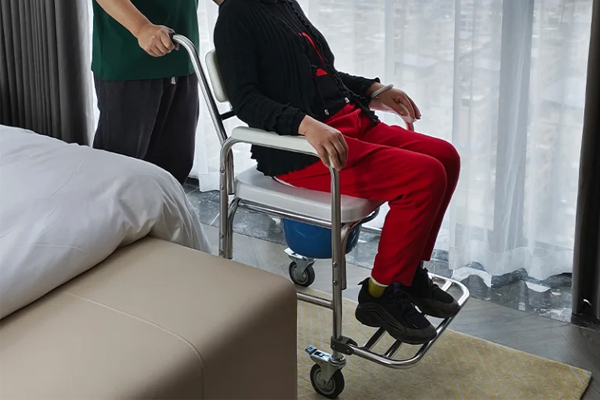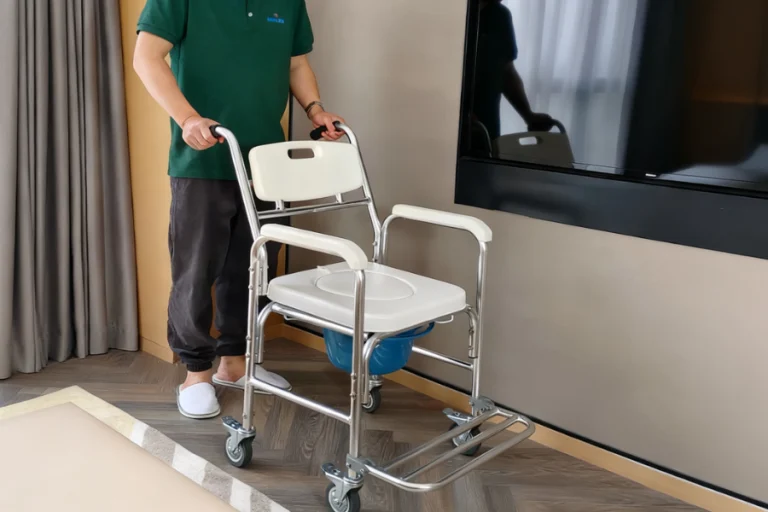
Elderly care has increasingly emphasized safety while preserving existing living spaces. Modern bathroom safety solutions focus on simple, non-invasive modifications that avoid permanent structural changes. Beiqin provides medical institutions and distributors with reliable equipment that meets high safety standards, supported by a comprehensive OEM/ODM service model to efficiently meet market demand.
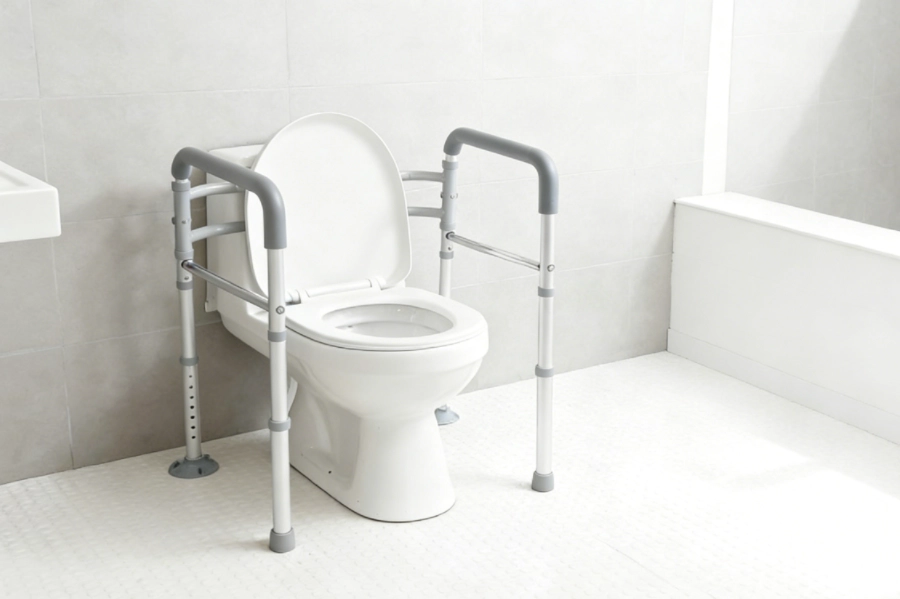
Today’s healthcare sites and home care providers favor options that blend quick safety with little effect on surroundings. The shift to simple changes shows a larger plan to reduce risks while skipping the problems and costs linked to old building tasks.
Bathroom floors pose real dangers from water and the body moves needed for daily cleaning. Data points out that a large share of elderly injuries happen when sitting or standing at the toilet. Stable support tools form a key part of fall prevention plans, and they help users maintain independence and dignity while easing the load on caregivers. Reliable assistive hardware acts as a preventive step that greatly cuts the chance of lasting disability from slips and falls.
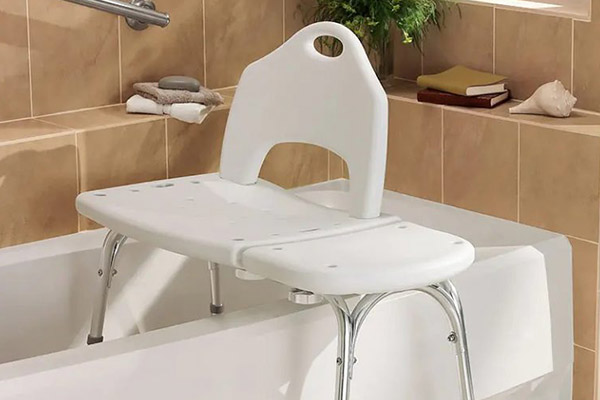
Buying teams in care institutions now lean toward gear that eliminate the need for drilling into tile or drywall. This choice stems from the need to keep building setups sound and avoid high costs for skilled work on fixed setups. Items that deploy right away let sites raise safety levels fast in several rooms, without noise or build waste. Plus, skipping permanent wall fixtures keeps the building warranty whole and stops possible water harm behind tiled areas.
The increase in home care needs has made a big opening for sellers to supply good-quality, movable safety gear. Products without fixed setup attract a broader group, including those in rental places or short-term care. Selling sturdy, simple hardware helps stores take a bigger part of the fast-growing elderly care field. This pattern comes from a liking for flexible options that easy to relocate, redeploy, or resell, which boosts the item’s full life value.
Choosing mobility aids that work without wall links allows for a faster reply to changing needs of patients and residents. These setups give clear work benefits over fixed ones, especially in busy or multi-use healthcare spots where site flexibility counts most.
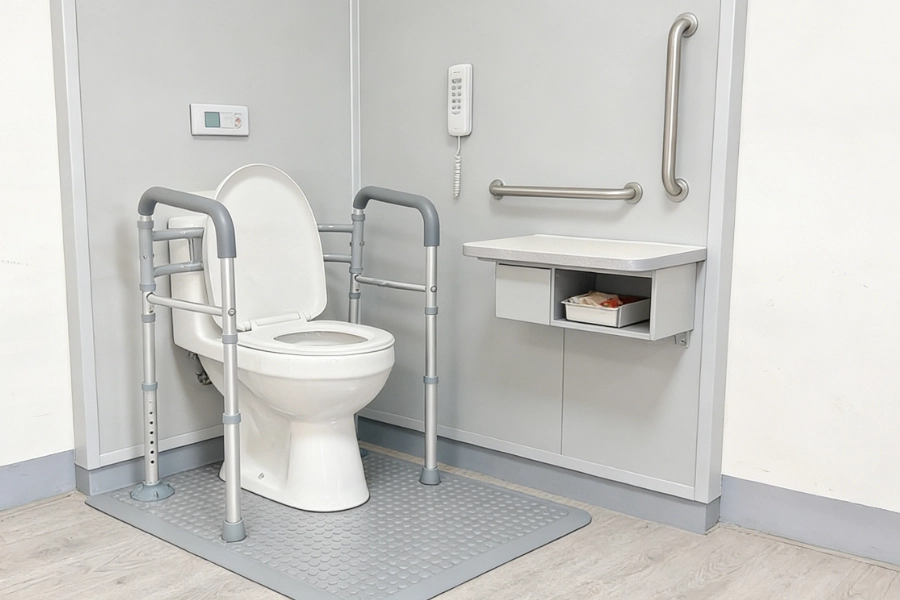
Keeping a building’s look and structure is a main issue for managers. Drilling for old grab bars can crack tiles or cause water leaks behind walls. Free-standing options remove these dangers completely, so the site stays in good shape while giving needed help for those with limited movement. No drilling means no costly repairs when layouts are modified, which helps a more lasting management budget.
Care demands shift often in group settings, so gear needs to move or store based on who stays there. Stand-alone systems provide the plus of easy carry, and this lets staff reset rooms fast. Such range makes sure safety tools stay ready where needed most, which raises the gear’s use. Sites can keep a central stock of safety rails and use them only when a resident’s condition calls for extra aid, which improves asset use.
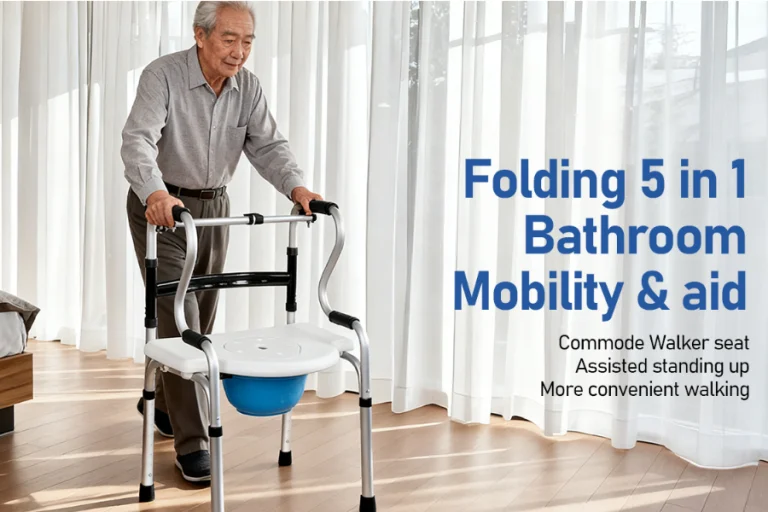
Well-built safety frames let elderly people handle daily jobs with less aid, and this builds self-reliance. For healthcare staff, steady support lowers the body strain in helping patients during bathroom shifts. This gain in work flow lets caregivers focus on key clinical duties while holding patient safety. When residents feel safe managing moves on their own, their mental health gets better, leading to higher life quality in the care setting.
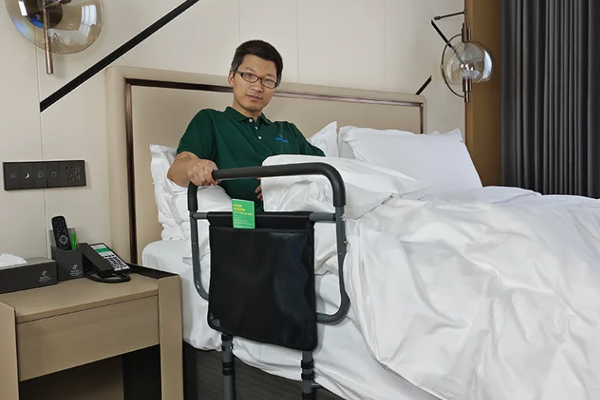
Strong bathroom aids must offer solid steadiness to build user trust in daily tasks. The build of the Heavy-Duty Toilet Safety Rails targets material lasting power, weight spread, and broad fit to reach markets worldwide.
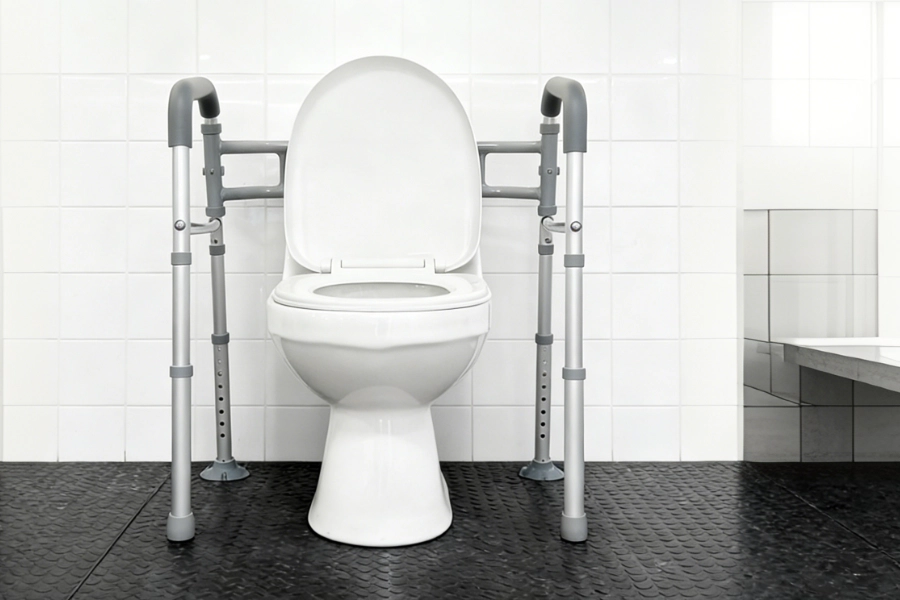
Using top-grade aluminum alloy gives a key edge in bathroom spots. Unlike old materials, aluminum fights rust and corrosion on its own, so the rail’s structure holds up over years in humid air. This material pick also leads to a good strength-to-weight balance, making a frame that moves easily but handles big up-and-side pressure.
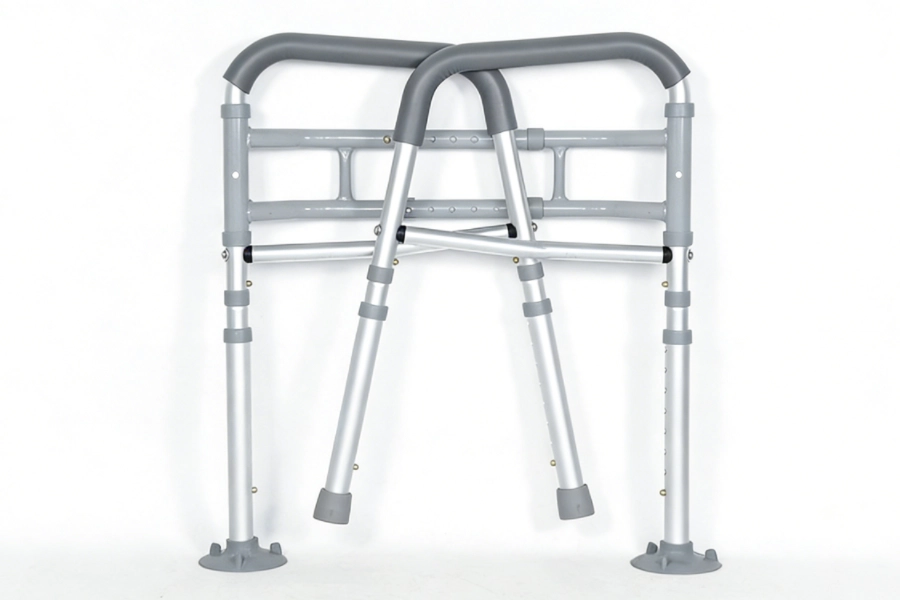
Steadiness is the main need for any free-standing safety tool. The frame uses strong cross-members to stop swaying during weight shifts. This pairs with large, high-grip rubber feet that hold the floor, even when wet. The handle design fits the body well, so users can grip fully without strain, which matters for those with weak hands or arthritis.
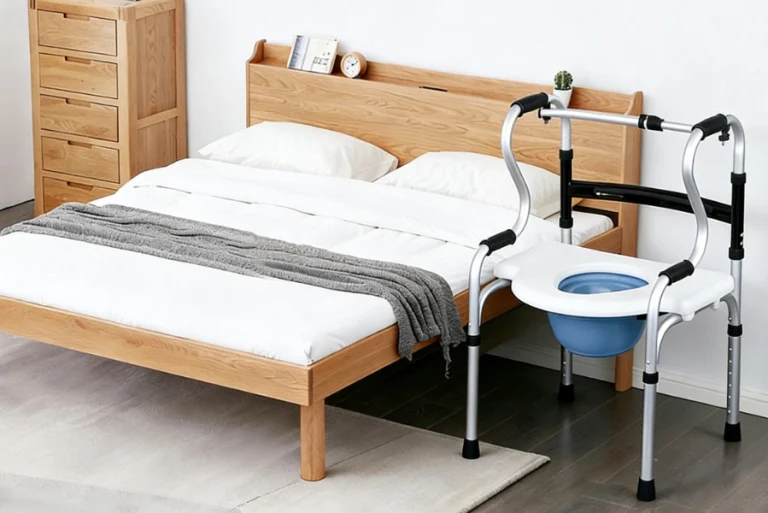
The free-standing build skips matching exact wall setups or pipe plans. Width and height tweaks make the rails fit standard, elongated, or raised toilets. This broad fit eases buying for sellers and managers, since one item covers many bathroom types. Also, the no-tool setup lets for quick use, cutting install time to just minutes.
A steady maker is key for sellers and care groups aiming for high care levels. Exact building and big output power build the base of good ties in the mobility aid field.
Filling needs of world markets calls for a production site that grows output without losing quality. Digital smart manufacturing bases allow steady making of thousands of units each day. With a large ready-ship stock, partners get quick delivery, keeping supply lines smooth even in busy times. Smart logistics aid 12-hour shipping of stock items, cutting wait for vital safety gear.
Custom bathroom safety solutions let businesses sell items that fit local rules or brand needs. Skilled build teams give tech aid from sample stage to full runs. This team work makes sure final items match the specs and quality hopes of care clients worldwide. Tweaking product weight, handle feel, and frame size allows a focused way for different market parts.
Steadiness is a must for medical and elderly care gear. Robotic welding and auto testing make sure every joint and support beam holds structure over long use. Mixing high-tech auto with strict hand checks lets makers promise each unit gives steady work needed for care uses. This tight quality check gets backing from full technical maintenance and support services, so all gear keeps working safely its whole life.
Q1: What material is used in the construction of these safety rails?
A: These rails are constructed from high-strength aluminum alloy, which provides a rust-proof and corrosion-resistant frame suitable for high-humidity bathroom environments.
Q2: Do these rails require any drilling or permanent mounting?
A: No, these are stand-alone systems that do not require drilling or tools for assembly, making them ideal for facilities that wish to preserve wall and floor integrity.
Q3: Are the safety rails compatible with elongated toilet models?
A: Yes, the frame features adjustable width and height settings, allowing it to fit securely around most standard and elongated toilets used in healthcare facilities.
Q4: What is the maximum load capacity for the heavy-duty model?
A: The aluminum frame is engineered to support a weight capacity of up to 300 lbs, providing stable assistance for a wide range of patient body types.
Q5: Can the handles be adjusted for users of different heights?
A: The height of the armrests can be adjusted to multiple levels, ensuring that each user can find an ergonomic position that provides optimal leverage and comfort.
Elderly care has increasingly emphasized safety while preserving existing living spaces. Modern bathroom safety solutions focus on simple, non-invasive modifications that avoid permanent structural changes. Beiqin provides medical institutions and distributors with reliable equipment that meets high safety standards, supported by a comprehensive OEM/ODM service model to efficiently meet market demand.
Today’s healthcare sites and home care providers favor options that blend quick safety with little effect on surroundings. The shift to simple changes shows a larger plan to reduce risks while skipping the problems and costs linked to old building tasks.
Bathroom floors pose real dangers from water and the body moves needed for daily cleaning. Data points out that a large share of elderly injuries happen when sitting or standing at the toilet. Stable support tools form a key part of fall prevention plans, and they help users maintain independence and dignity while easing the load on caregivers. Reliable assistive hardware acts as a preventive step that greatly cuts the chance of lasting disability from slips and falls.
Buying teams in care institutions now lean toward gear that eliminate the need for drilling into tile or drywall. This choice stems from the need to keep building setups sound and avoid high costs for skilled work on fixed setups. Items that deploy right away let sites raise safety levels fast in several rooms, without noise or build waste. Plus, skipping permanent wall fixtures keeps the building warranty whole and stops possible water harm behind tiled areas.
The increase in home care needs has made a big opening for sellers to supply good-quality, movable safety gear. Products without fixed setup attract a broader group, including those in rental places or short-term care. Selling sturdy, simple hardware helps stores take a bigger part of the fast-growing elderly care field. This pattern comes from a liking for flexible options that easy to relocate, redeploy, or resell, which boosts the item’s full life value.
Choosing mobility aids that work without wall links allows for a faster reply to changing needs of patients and residents. These setups give clear work benefits over fixed ones, especially in busy or multi-use healthcare spots where site flexibility counts most.
Keeping a building’s look and structure is a main issue for managers. Drilling for old grab bars can crack tiles or cause water leaks behind walls. Free-standing options remove these dangers completely, so the site stays in good shape while giving needed help for those with limited movement. No drilling means no costly repairs when layouts are modified, which helps a more lasting management budget.
Care demands shift often in group settings, so gear needs to move or store based on who stays there. Stand-alone systems provide the plus of easy carry, and this lets staff reset rooms fast. Such range makes sure safety tools stay ready where needed most, which raises the gear’s use. Sites can keep a central stock of safety rails and use them only when a resident’s condition calls for extra aid, which improves asset use.
Well-built safety frames let elderly people handle daily jobs with less aid, and this builds self-reliance. For healthcare staff, steady support lowers the body strain in helping patients during bathroom shifts. This gain in work flow lets caregivers focus on key clinical duties while holding patient safety. When residents feel safe managing moves on their own, their mental health gets better, leading to higher life quality in the care setting.
Strong bathroom aids must offer solid steadiness to build user trust in daily tasks. The build of the Heavy-Duty Toilet Safety Rails targets material lasting power, weight spread, and broad fit to reach markets worldwide.
Using top-grade aluminum alloy gives a key edge in bathroom spots. Unlike old materials, aluminum fights rust and corrosion on its own, so the rail’s structure holds up over years in humid air. This material pick also leads to a good strength-to-weight balance, making a frame that moves easily but handles big up-and-side pressure.
Steadiness is the main need for any free-standing safety tool. The frame uses strong cross-members to stop swaying during weight shifts. This pairs with large, high-grip rubber feet that hold the floor, even when wet. The handle design fits the body well, so users can grip fully without strain, which matters for those with weak hands or arthritis.
The free-standing build skips matching exact wall setups or pipe plans. Width and height tweaks make the rails fit standard, elongated, or raised toilets. This broad fit eases buying for sellers and managers, since one item covers many bathroom types. Also, the no-tool setup lets for quick use, cutting install time to just minutes.
A steady maker is key for sellers and care groups aiming for high care levels. Exact building and big output power build the base of good ties in the mobility aid field.
Filling needs of world markets calls for a production site that grows output without losing quality. Digital smart manufacturing bases allow steady making of thousands of units each day. With a large ready-ship stock, partners get quick delivery, keeping supply lines smooth even in busy times. Smart logistics aid 12-hour shipping of stock items, cutting wait for vital safety gear.
Custom bathroom safety solutions let businesses sell items that fit local rules or brand needs. Skilled build teams give tech aid from sample stage to full runs. This team work makes sure final items match the specs and quality hopes of care clients worldwide. Tweaking product weight, handle feel, and frame size allows a focused way for different market parts.
Steadiness is a must for medical and elderly care gear. Robotic welding and auto testing make sure every joint and support beam holds structure over long use. Mixing high-tech auto with strict hand checks lets makers promise each unit gives steady work needed for care uses. This tight quality check gets backing from full technical maintenance and support services, so all gear keeps working safely its whole life.
Q1: What material is used in the construction of these safety rails?
A: These rails are constructed from high-strength aluminum alloy, which provides a rust-proof and corrosion-resistant frame suitable for high-humidity bathroom environments.
Q2: Do these rails require any drilling or permanent mounting?
A: No, these are stand-alone systems that do not require drilling or tools for assembly, making them ideal for facilities that wish to preserve wall and floor integrity.
Q3: Are the safety rails compatible with elongated toilet models?
A: Yes, the frame features adjustable width and height settings, allowing it to fit securely around most standard and elongated toilets used in healthcare facilities.
Q4: What is the maximum load capacity for the heavy-duty model?
A: The aluminum frame is engineered to support a weight capacity of up to 300 lbs, providing stable assistance for a wide range of patient body types.
Q5: Can the handles be adjusted for users of different heights?
A: The height of the armrests can be adjusted to multiple levels, ensuring that each user can find an ergonomic position that provides optimal leverage and comfort.