The Durable Medical Equipment (DME) field is entering a transformative phase in 2026. Global demographic shifts and the rising prevalence of age-related mobility issues call for a more strategic approach to inventory selection and supply chain management. For sellers, the core objective remains connecting positive patient outcomes with efficient operations. A strong partner in this process is Beiqin, an experienced manufacturer with over 16 years of R&D expertise, providing a reliable foundation for sellers seeking scalable and dependable solutions.
The need for advanced mobility tools ties straight to the growing older crowd and higher costs from fall health issues. Market forces show that sellers cannot stick to basic gear anymore; instead, winning comes from offering proven medical aids that fix certain body limits.
Data from world health groups point to a clear increase in people over 65. This change pushes steady demand for mobility aids that boost self-reliance. The DME field adjusts by aiming at items that mix safety with body-friendly comfort, which helps cut down on hospital bills from falls over time.
By 2026, tech blends and material advances lead buyer picks. Sellers feel push to drop low-profit plain walkers for high-worth rollators that give firmer balance and targeted help. Pulling varied items from one advanced digital plant lets sellers adapt fast to these shifting market needs.
Buying plans must stress dependability and quickness to cut chances of stock shortages or many returns. Choosing a maker with lots of ready stock and a solid history in smart shipping keeps supply breaks from hurting profits. Fast making turns right into edges for the seller in competition.
New ideas in rollators center on targeted uses over all-in-one fits. Now, trends highlight designs for nerve issues, very light materials for trips, and meeting strict global safety checks.
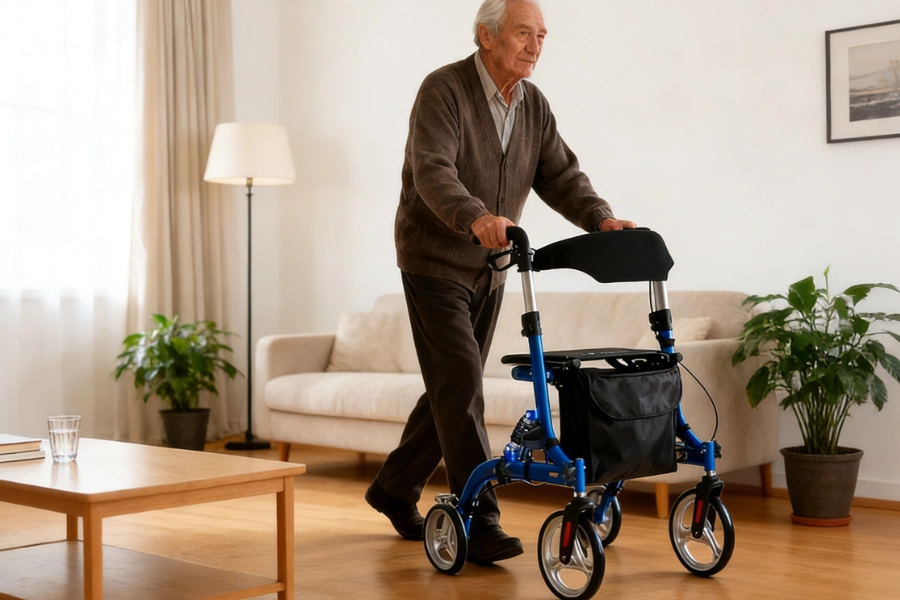
Moving from regular walkers to better rollators stems from wanting multi-use aids. Today’s rollators often add seats, storage, and strong brakes. This change meets needs of groups like short recovery patients and long-stay elder care spots.
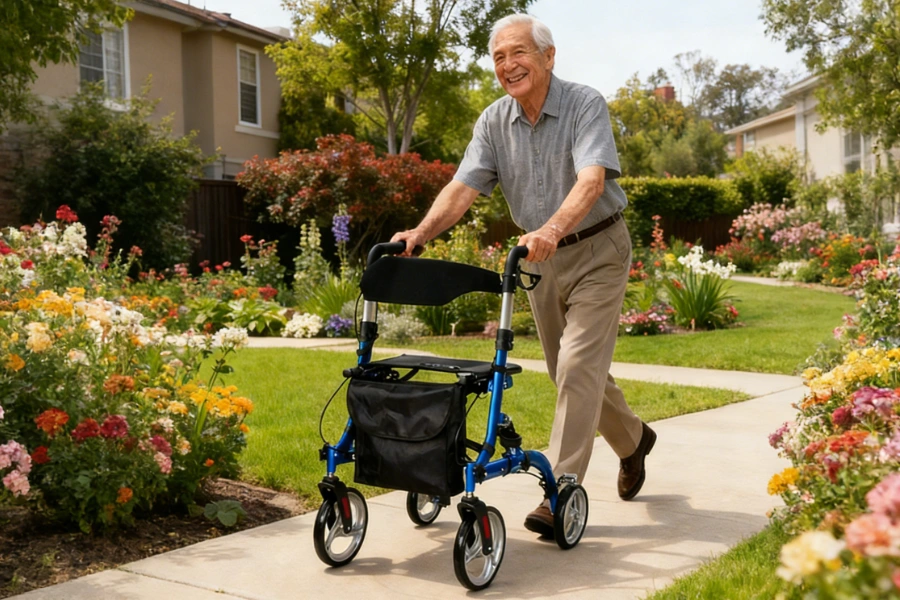
Upright styles grow popular since they let users stand more naturally, easing load on back and neck. At the same time, folks favor light frames that keep firm build. These traits draw active elders who need help without heavy old-style medical gear.
Following FDA, ISO 13485, and CE is key, because these approvals make items fit for insurance pay, which matters a lot to health workers and users. Making sure all bought goods hit these marks cuts risks of claim blocks and rule breaks.
Selecting the right product mix is essential to maintaining strong sales momentum and meeting specialized medical needs. Two categories stand out as essential for a complete 2026 assortment: posture-correcting upright models and lightweight yet durable units.
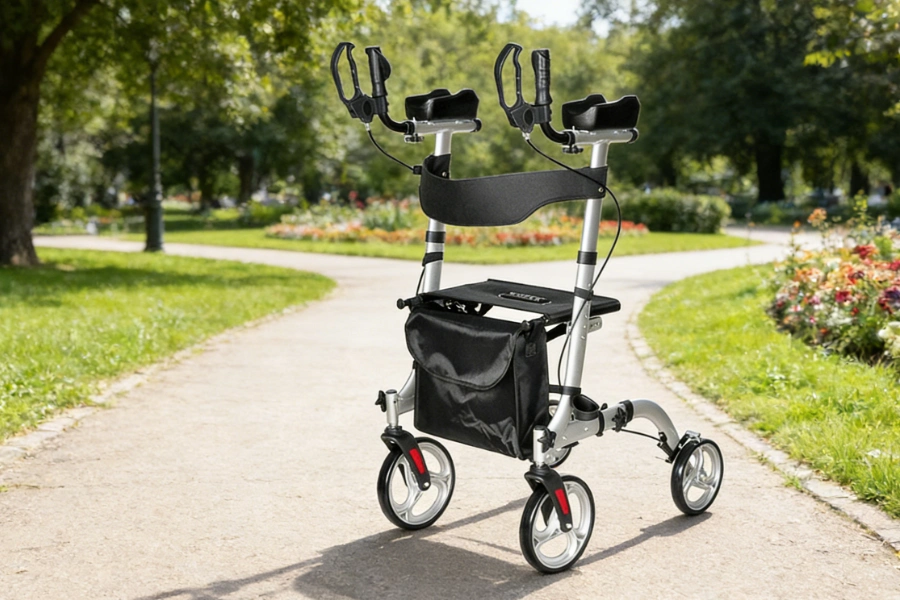
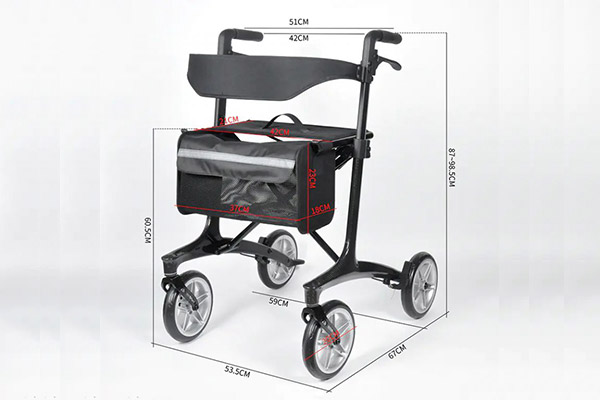
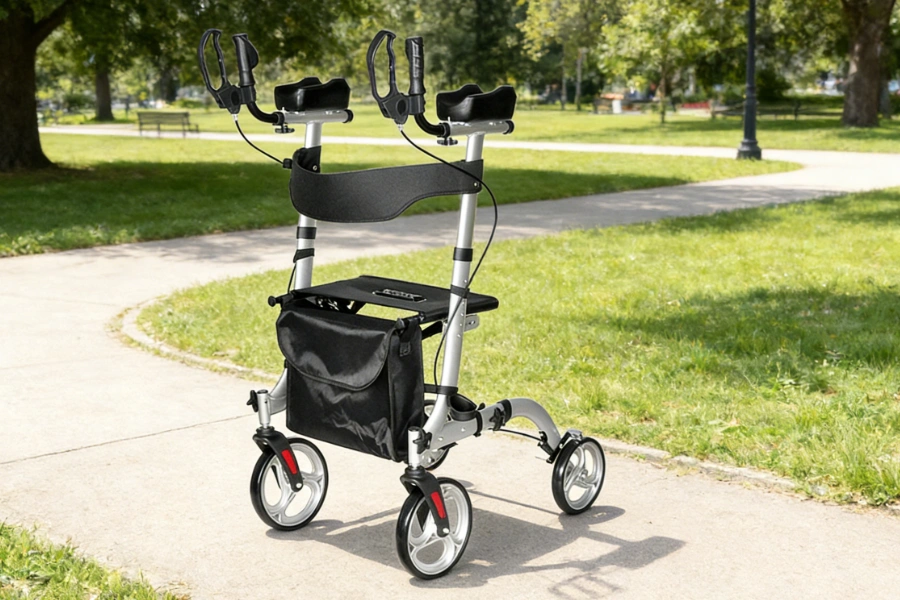
For users with ongoing back hurt or step training, the Medical Aluminum Stand Up Rollator offers a top fix. This type has soft armrests that keep users straight up, moving weight from hands to arms. Its reinforced aluminum frame supports higher weight capacities while remaining easy to maneuver in clinical and home environments.
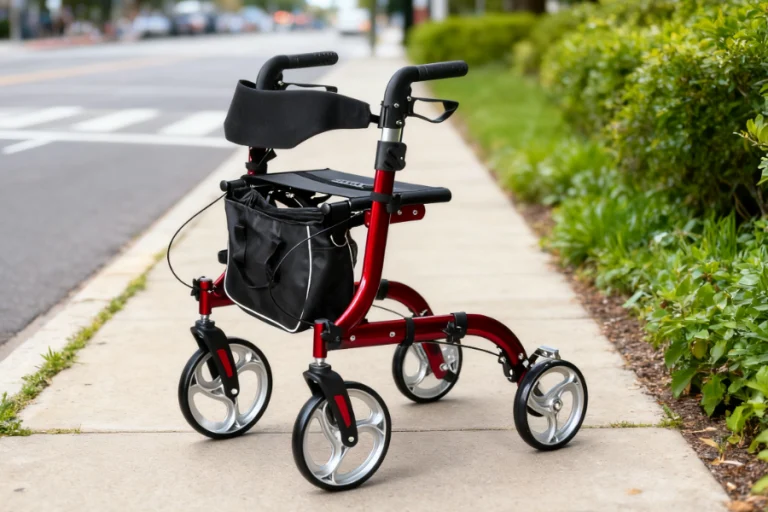
Store sales gain from items with clear upsides, like the Lightweight Mobility Rollator. With built-in shock absorbers, it deals with rough outside paths while guarding user joints from bumps. Its compact folding design reduces storage requirements in warehouses and appeals to buyers who prioritize portability.
Hybrid models that combine the functionality of a rollator with the convenience of a transport chair are becoming indispensable for long-term care facilities. These versatile designs allow caregivers to assist users when they become fatigued, effectively bridging the gap between independent walking and assisted mobility.
Sellers need a manufacturing partner that combines large-scale output with precision engineering. A facility that integrates R&D, digital manufacturing, and substantial ready-to-ship inventory provides the foundation to support global sales scale.
Sixteen years of experience in senior mobility equipment have refined our manufacturing processes. Using over 60 pro machines and four top lines, the plant hits daily runs of more than 6,000 pieces. This size keeps even tricky designs steady in output.
In a quick market, fast changes and order fills are crucial. A digital factory that does 3-day prototypes lets sellers try new areas soon. Additionally, a seven-day shipping capability for orders of up to 10,000 units helps address sudden demand spikes without excessive local inventory holdings.
Tailoring goes past basic labels; it means fitting features to market wants. From seat height tweaks to wheel sizes or brake feels, custom fixes let sellers stand out. Drawing from world ties gives the tech base for these pro changes.
Clinical research demonstrates that selecting the appropriate rollator is more than just a mobility aid—it is a critical intervention for preventing secondary injuries. According to the Archives of Physical Medicine and Rehabilitation and industry white papers:
Successful distribution in the 2026 rollator market requires a shift from price-centric purchasing to a comprehensive risk management framework. Strategic procurement must account for Total Cost of Ownership (TCO), including international logistics, customs compliance, and potential post-purchase maintenance. Distributors mitigate inventory risks by adopting the ABC classification method: maintaining high stock levels for high-turnover standard models while utilizing agile, on-demand manufacturing for specialized units. Furthermore, selecting partners with quality control and ready-to-ship inventory ensures supply chain resilience, effectively reducing the financial impact of stockouts or high product return rates in a competitive landscape.
Q1: What are the primary benefits of an upright rollator compared to a standard model?
A: Upright rollators allow users to maintain a vertical posture, which significantly reduces pressure on the back and neck while improving respiratory function and line of sight.
Q2: How does a shock absorber system improve user safety in lightweight rollators?
A: Shock absorbers dampen vibrations from uneven surfaces, reducing joint fatigue and preventing the sudden jolts that can lead to a loss of balance or wrist strain.
Q3: Why is the weight of a rollator a critical factor for distributors?
A: Weight impacts both the user’s ability to transport the device and the distributor’s logistics costs; ultra-light aluminum models offer the best balance of durability and shipping efficiency.
The Durable Medical Equipment (DME) field is entering a transformative phase in 2026. Global demographic shifts and the rising prevalence of age-related mobility issues call for a more strategic approach to inventory selection and supply chain management. For sellers, the core objective remains connecting positive patient outcomes with efficient operations. A strong partner in this process is Beiqin, an experienced manufacturer with over 16 years of R&D expertise, providing a reliable foundation for sellers seeking scalable and dependable solutions.
The need for advanced mobility tools ties straight to the growing older crowd and higher costs from fall health issues. Market forces show that sellers cannot stick to basic gear anymore; instead, winning comes from offering proven medical aids that fix certain body limits.
Data from world health groups point to a clear increase in people over 65. This change pushes steady demand for mobility aids that boost self-reliance. The DME field adjusts by aiming at items that mix safety with body-friendly comfort, which helps cut down on hospital bills from falls over time.
By 2026, tech blends and material advances lead buyer picks. Sellers feel push to drop low-profit plain walkers for high-worth rollators that give firmer balance and targeted help. Pulling varied items from one advanced digital plant lets sellers adapt fast to these shifting market needs.
Buying plans must stress dependability and quickness to cut chances of stock shortages or many returns. Choosing a maker with lots of ready stock and a solid history in smart shipping keeps supply breaks from hurting profits. Fast making turns right into edges for the seller in competition.
New ideas in rollators center on targeted uses over all-in-one fits. Now, trends highlight designs for nerve issues, very light materials for trips, and meeting strict global safety checks.
Moving from regular walkers to better rollators stems from wanting multi-use aids. Today’s rollators often add seats, storage, and strong brakes. This change meets needs of groups like short recovery patients and long-stay elder care spots.
Upright styles grow popular since they let users stand more naturally, easing load on back and neck. At the same time, folks favor light frames that keep firm build. These traits draw active elders who need help without heavy old-style medical gear.
Following FDA, ISO 13485, and CE is key, because these approvals make items fit for insurance pay, which matters a lot to health workers and users. Making sure all bought goods hit these marks cuts risks of claim blocks and rule breaks.
Selecting the right product mix is essential to maintaining strong sales momentum and meeting specialized medical needs. Two categories stand out as essential for a complete 2026 assortment: posture-correcting upright models and lightweight yet durable units.
For users with ongoing back hurt or step training, the Medical Aluminum Stand Up Rollator offers a top fix. This type has soft armrests that keep users straight up, moving weight from hands to arms. Its reinforced aluminum frame supports higher weight capacities while remaining easy to maneuver in clinical and home environments.
Store sales gain from items with clear upsides, like the Lightweight Mobility Rollator. With built-in shock absorbers, it deals with rough outside paths while guarding user joints from bumps. Its compact folding design reduces storage requirements in warehouses and appeals to buyers who prioritize portability.
Hybrid models that combine the functionality of a rollator with the convenience of a transport chair are becoming indispensable for long-term care facilities. These versatile designs allow caregivers to assist users when they become fatigued, effectively bridging the gap between independent walking and assisted mobility.
Sellers need a manufacturing partner that combines large-scale output with precision engineering. A facility that integrates R&D, digital manufacturing, and substantial ready-to-ship inventory provides the foundation to support global sales scale.
Sixteen years of experience in senior mobility equipment have refined our manufacturing processes. Using over 60 pro machines and four top lines, the plant hits daily runs of more than 6,000 pieces. This size keeps even tricky designs steady in output.
In a quick market, fast changes and order fills are crucial. A digital factory that does 3-day prototypes lets sellers try new areas soon. Additionally, a seven-day shipping capability for orders of up to 10,000 units helps address sudden demand spikes without excessive local inventory holdings.
Tailoring goes past basic labels; it means fitting features to market wants. From seat height tweaks to wheel sizes or brake feels, custom fixes let sellers stand out. Drawing from world ties gives the tech base for these pro changes.
Clinical research demonstrates that selecting the appropriate rollator is more than just a mobility aid—it is a critical intervention for preventing secondary injuries. According to the Archives of Physical Medicine and Rehabilitation and industry white papers:
Successful distribution in the 2026 rollator market requires a shift from price-centric purchasing to a comprehensive risk management framework. Strategic procurement must account for Total Cost of Ownership (TCO), including international logistics, customs compliance, and potential post-purchase maintenance. Distributors mitigate inventory risks by adopting the ABC classification method: maintaining high stock levels for high-turnover standard models while utilizing agile, on-demand manufacturing for specialized units. Furthermore, selecting partners with quality control and ready-to-ship inventory ensures supply chain resilience, effectively reducing the financial impact of stockouts or high product return rates in a competitive landscape.
Q1: What are the primary benefits of an upright rollator compared to a standard model?
A: Upright rollators allow users to maintain a vertical posture, which significantly reduces pressure on the back and neck while improving respiratory function and line of sight.
Q2: How does a shock absorber system improve user safety in lightweight rollators?
A: Shock absorbers dampen vibrations from uneven surfaces, reducing joint fatigue and preventing the sudden jolts that can lead to a loss of balance or wrist strain.
Q3: Why is the weight of a rollator a critical factor for distributors?
A: Weight impacts both the user’s ability to transport the device and the distributor’s logistics costs; ultra-light aluminum models offer the best balance of durability and shipping efficiency.