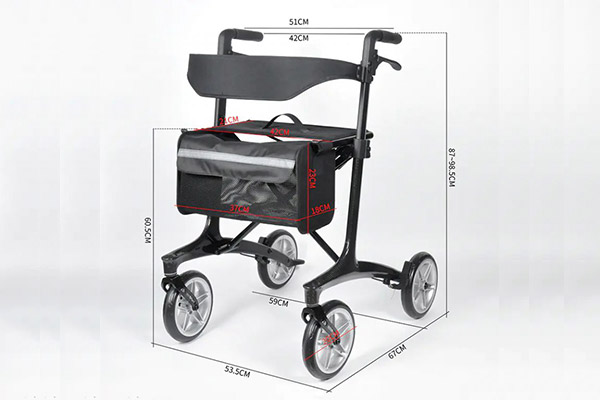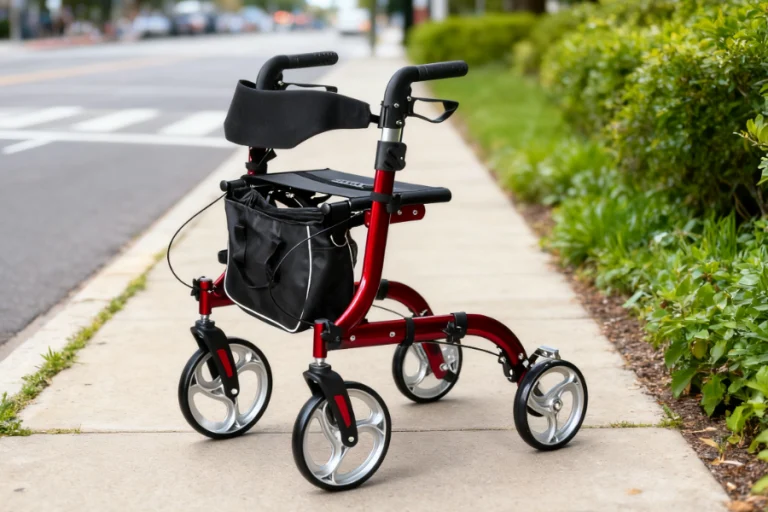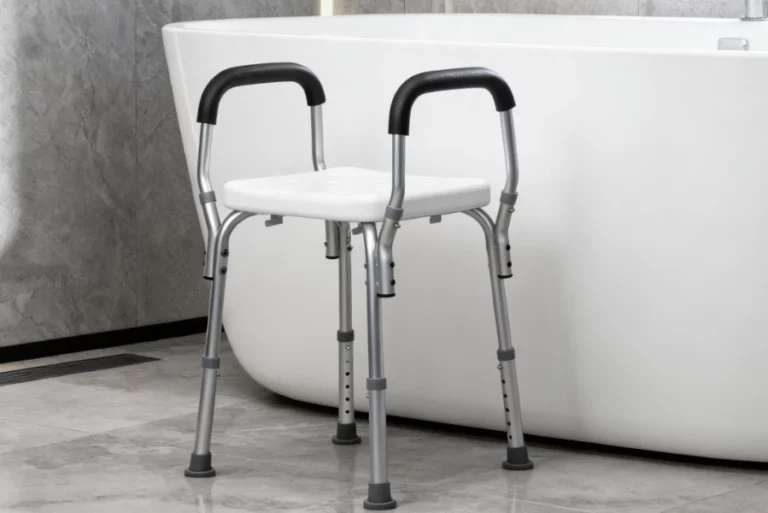
The increasing age of the worldwide population exerts considerable strain on healthcare systems. In care facilities, safeguarding the physical well-being of nursing personnel holds equal importance to ensuring resident comfort. Beiqin, a dedicated producer with 16 years of experience in senior care solutions, tackles this twofold requirement via meticulous engineering. The combination of efficiency, scope, and sophisticated certification establishes the facility as a fundamental pillar for organizations aiming to advance their mobility and sanitation apparatus.
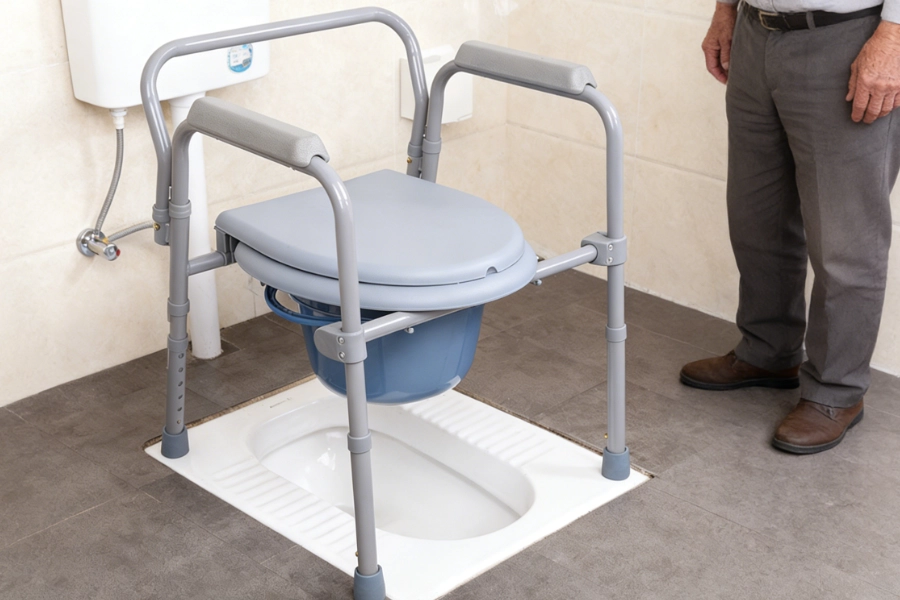
Manual patient handling stands as the chief source of musculoskeletal disorders among nursing experts. Routine lifting, repositioning, and transferring of residents without mechanical aid result in progressive micro-injuries in the lumbar area. Such injuries frequently yield persistent chronic discomfort or abrupt incapacitating episodes, which undermine the facility’s functional reliability.
Ongoing bending and twisting under a patient’s load generate intense pressure within spinal discs. These physical strains prove especially hazardous amid hygiene transfers, where surfaces might be slick or areas constrained. Consequently, caregivers encounter elevated vulnerability to unforeseen vertebral damage in these scenarios.
Facilities confront substantial fiscal pressures from escalated insurance rates and immediate medical reimbursements after personnel injuries. Apart from these immediate outlays, the departure of seasoned caregivers initiates costly hiring sequences and interim staffing charges, which gradually diminish the organization’s financial foundation.
Upgrading apparatus functions as a calculated safeguard against escalating expenses. Shifting from manual exertion to ergonomic implements secures a more secure occupational setting and reflects dedication to personnel welfare, which proves crucial for retaining staff amid a demanding employment landscape.
The design of supportive furnishings emphasizes reducing the bodily effort demanded in everyday procedures. Through integrating modifiable elements and robust materials, these implements bear the mechanical burden that caregivers would otherwise endure in their backs.
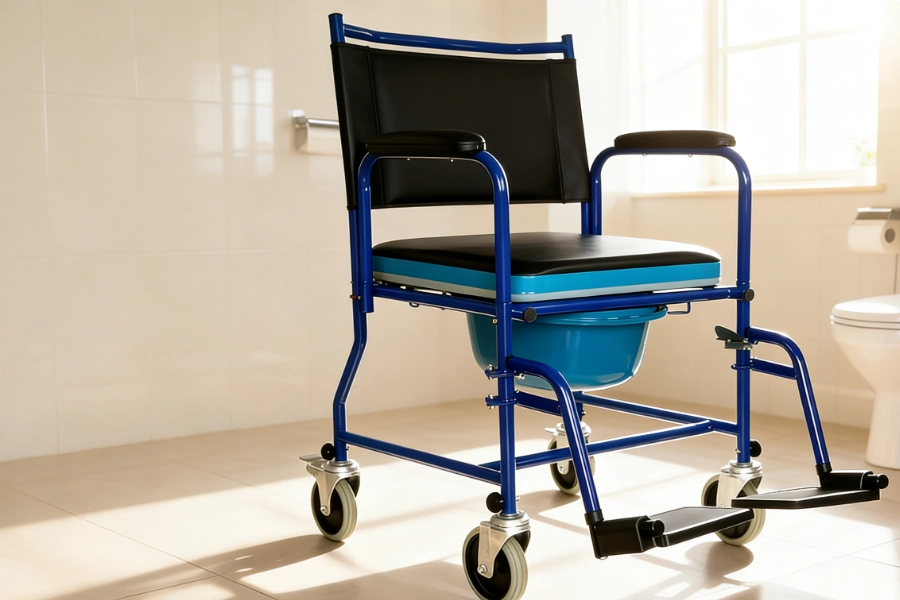
Apparatus with varied height settings permits precise alignment between the chair and bed platform. This coordination obviates the necessity for upward hoisting, thereby facilitating a fluid sideways glide that maintains the caregiver’s vertebral column in an aligned, erect stance.
Comprehensive armrests furnish residents with dependable fulcrum points to aid their independent motion. As residents leverage their arms to elevate or steady their lowering, the caregiver functions primarily as a director rather than the principal elevating agent.
Employing superior omnidirectional wheels equipped with autonomous braking diminishes the effort required to commence motion. These casters secure the chair’s immobility during pivotal transfer phases, which averts abrupt displacements that provoke muscular tension.
Tailored frames fabricated from resilient aluminum alloy or carbon steel afford the requisite stiffness for bariatric applications. These frameworks inhibit structural deformation, thereby allowing caregivers to retain command of the apparatus even with substantial resident weights.
Choosing suitable apparatus hinges on the resident’s particular locomotion proficiency and the facility’s structural configuration. Expert-level chairs ought to deliver adaptability for addressing assorted sanitation and conveyance demands, all while preserving safety integrity.
For residents needing support in both elimination and ablution activities, the Multi-functional toilet shower chair offers an all-encompassing remedy. Its impervious fabrication and ambulatory foundation enable personnel to convey the patient straight to the ablution zone, which eradicates numerous perilous relocations and curtails the duration in taxing postures.
When residents predominantly occupy a sleeping chamber, a Toliet Chair with Padded Seat and Arms presents a firm and respectable option. Incorporated cushioned lining averts dermal abrasion for the resident, whereas the adaptable structure guarantees optimal elevation congruence with the bed for enhanced transfer security.
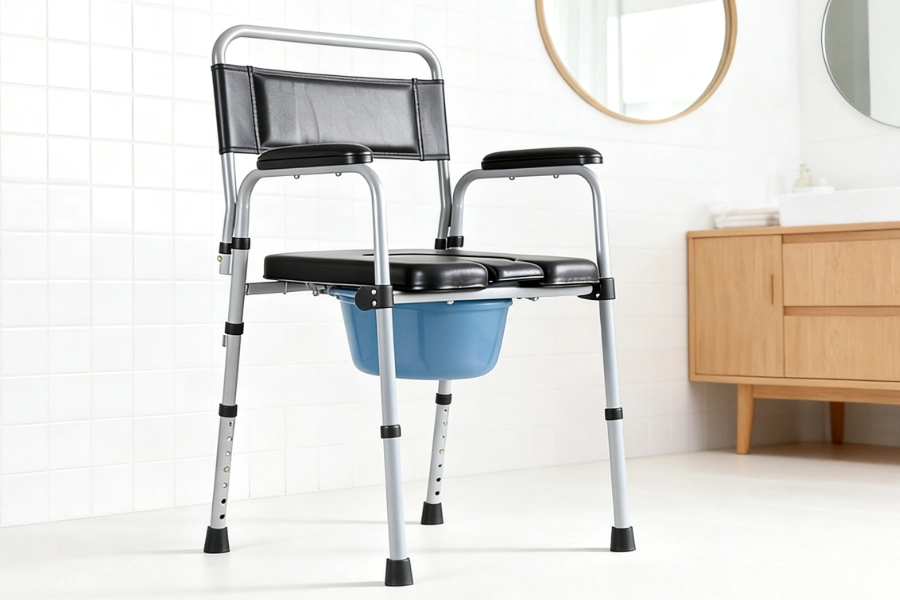
Overseeing bariatric individuals necessitates a Heavy Duty Commode Toilet Chair engineered for utmost steadiness. These configurations incorporate broader foundations and fortified linkages, ensuring caregivers avoid contending with precarious or diminutive seating amid relocations, which markedly diminishes the peril of abrupt lumbar contortions.
Procurement specialists need to appraise apparatus according to enduring efficacy and the precise requisites of their workforce. A comprehensive evaluation of substance integrity and configurational versatility assures that selected items endure operational viability for extended periods under intensive organizational utilization.
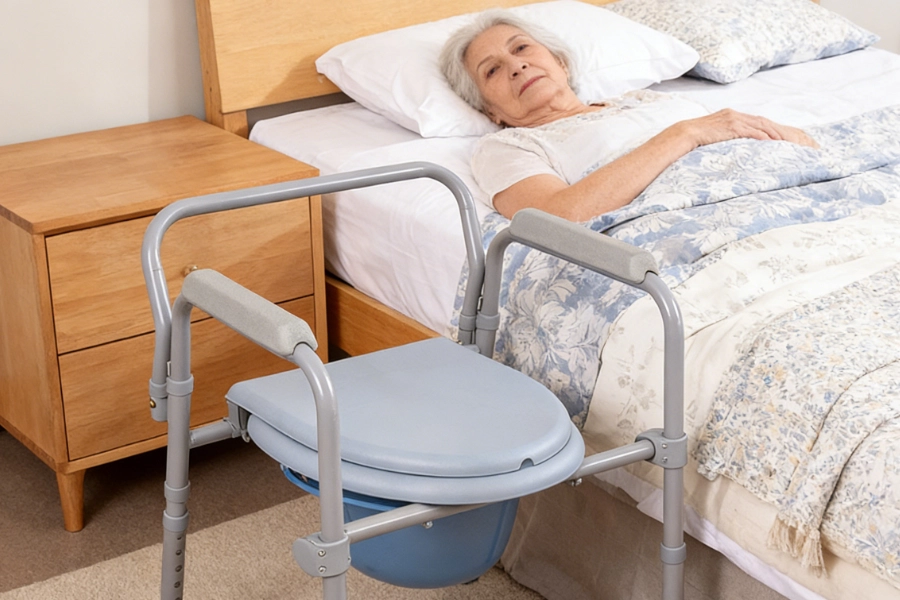
Chairs assembled with clinical-grade aluminum alloy yield an elevated strength-to-mass proportion. This substance selection renders the apparatus maneuverable for personnel while conferring resilience against abrasive disinfectants in routine decontamination and perpetual humidity in lavatory milieus.
Sanitary configuration demands even exteriors and detachable constituents. Apparatus amenable to swift disassembly for thorough purification assists facilities in upholding contagion mitigation protocols sans undue exertion or esoteric implements.
In establishments featuring constricted passageways or compact adjunct lavatories, condensed or collapsible schematics are indispensable. These attributes permit personnel to traverse acute angles devoid of assuming contorted, lesion-susceptible somatic orientations during propulsion or traction of the apparatus.
Achievement in expansive healthcare acquisition demands a vendor that amalgamates technological ingenuity with dependable fabrication prowess. Beiqin functions as an adjunct to an establishment’s security division by furnishing the requisite instrumentation for enacting a no-elevation protocol.
The establishment endorses exhaustive personalization, empowering collaborators to adapt schematics for conforming to designated territorial statutes or organizational stipulations. The proficiency to fabricate 6,000 units daily ascertains that even the most voluminous aggregate requisitions are consummated with uniform caliber and exactitude.
Curtailing operational interruptions in care establishments is paramount. Maintaining 180,000 units in reserve alongside a 12-hour consignment regimen for conventional requisitions optimizes the distribution network to address imperative apparatus exigencies or unanticipated institutional augmentations sans postponement.
Every offering endures rigorous caliber scrutiny and possesses accreditations requisite for transnational therapeutic dissemination. Sustained methodological assistance coupled with a pledge to longevity guarantees that each apparatus constituent persists as a secure constituent in the attendant’s diurnal regimen.
Q1: How do ergonomic commode chairs specifically reduce the risk of lower back strain?
A: These chairs employ height-adjustable frameworks to synchronize with bed platforms, which facilitates sideways relocation transfers in lieu of perpendicular elevation. This posture preserves the attendant’s vertebral alignment in a balanced configuration and attenuates the corporeal exertion indispensable for locomotion.
Q2: Can these chairs be used in wet environments like showers without rusting?
A: Affirmative, expert-caliber exemplars are fabricated from premium, oxidation-defiant aluminum alloy. This substance is deliberately selected for its capacity to endure perpetual immersion in aqueous elements and decontamination substances within lavatory contexts.
Q3: What weight capacity is available for bariatric patient care?
A: Robust exemplars are contrived with fortified steel or augmented aluminum frameworks to securely accommodate superior mass thresholds. These configurations encompass expanded seating platforms to warrant equilibrium for the individual and security for the attendant throughout relocations.
The increasing age of the worldwide population exerts considerable strain on healthcare systems. In care facilities, safeguarding the physical well-being of nursing personnel holds equal importance to ensuring resident comfort. Beiqin, a dedicated producer with 16 years of experience in senior care solutions, tackles this twofold requirement via meticulous engineering. The combination of efficiency, scope, and sophisticated certification establishes the facility as a fundamental pillar for organizations aiming to advance their mobility and sanitation apparatus.
Manual patient handling stands as the chief source of musculoskeletal disorders among nursing experts. Routine lifting, repositioning, and transferring of residents without mechanical aid result in progressive micro-injuries in the lumbar area. Such injuries frequently yield persistent chronic discomfort or abrupt incapacitating episodes, which undermine the facility’s functional reliability.
Ongoing bending and twisting under a patient’s load generate intense pressure within spinal discs. These physical strains prove especially hazardous amid hygiene transfers, where surfaces might be slick or areas constrained. Consequently, caregivers encounter elevated vulnerability to unforeseen vertebral damage in these scenarios.
Facilities confront substantial fiscal pressures from escalated insurance rates and immediate medical reimbursements after personnel injuries. Apart from these immediate outlays, the departure of seasoned caregivers initiates costly hiring sequences and interim staffing charges, which gradually diminish the organization’s financial foundation.
Upgrading apparatus functions as a calculated safeguard against escalating expenses. Shifting from manual exertion to ergonomic implements secures a more secure occupational setting and reflects dedication to personnel welfare, which proves crucial for retaining staff amid a demanding employment landscape.
The design of supportive furnishings emphasizes reducing the bodily effort demanded in everyday procedures. Through integrating modifiable elements and robust materials, these implements bear the mechanical burden that caregivers would otherwise endure in their backs.
Apparatus with varied height settings permits precise alignment between the chair and bed platform. This coordination obviates the necessity for upward hoisting, thereby facilitating a fluid sideways glide that maintains the caregiver’s vertebral column in an aligned, erect stance.
Comprehensive armrests furnish residents with dependable fulcrum points to aid their independent motion. As residents leverage their arms to elevate or steady their lowering, the caregiver functions primarily as a director rather than the principal elevating agent.
Employing superior omnidirectional wheels equipped with autonomous braking diminishes the effort required to commence motion. These casters secure the chair’s immobility during pivotal transfer phases, which averts abrupt displacements that provoke muscular tension.
Tailored frames fabricated from resilient aluminum alloy or carbon steel afford the requisite stiffness for bariatric applications. These frameworks inhibit structural deformation, thereby allowing caregivers to retain command of the apparatus even with substantial resident weights.
Choosing suitable apparatus hinges on the resident’s particular locomotion proficiency and the facility’s structural configuration. Expert-level chairs ought to deliver adaptability for addressing assorted sanitation and conveyance demands, all while preserving safety integrity.
For residents needing support in both elimination and ablution activities, the Multi-functional toilet shower chair offers an all-encompassing remedy. Its impervious fabrication and ambulatory foundation enable personnel to convey the patient straight to the ablution zone, which eradicates numerous perilous relocations and curtails the duration in taxing postures.
When residents predominantly occupy a sleeping chamber, a Toliet Chair with Padded Seat and Arms presents a firm and respectable option. Incorporated cushioned lining averts dermal abrasion for the resident, whereas the adaptable structure guarantees optimal elevation congruence with the bed for enhanced transfer security.
Overseeing bariatric individuals necessitates a Heavy Duty Commode Toilet Chair engineered for utmost steadiness. These configurations incorporate broader foundations and fortified linkages, ensuring caregivers avoid contending with precarious or diminutive seating amid relocations, which markedly diminishes the peril of abrupt lumbar contortions.
Procurement specialists need to appraise apparatus according to enduring efficacy and the precise requisites of their workforce. A comprehensive evaluation of substance integrity and configurational versatility assures that selected items endure operational viability for extended periods under intensive organizational utilization.
Chairs assembled with clinical-grade aluminum alloy yield an elevated strength-to-mass proportion. This substance selection renders the apparatus maneuverable for personnel while conferring resilience against abrasive disinfectants in routine decontamination and perpetual humidity in lavatory milieus.
Sanitary configuration demands even exteriors and detachable constituents. Apparatus amenable to swift disassembly for thorough purification assists facilities in upholding contagion mitigation protocols sans undue exertion or esoteric implements.
In establishments featuring constricted passageways or compact adjunct lavatories, condensed or collapsible schematics are indispensable. These attributes permit personnel to traverse acute angles devoid of assuming contorted, lesion-susceptible somatic orientations during propulsion or traction of the apparatus.
Achievement in expansive healthcare acquisition demands a vendor that amalgamates technological ingenuity with dependable fabrication prowess. Beiqin functions as an adjunct to an establishment’s security division by furnishing the requisite instrumentation for enacting a no-elevation protocol.
The establishment endorses exhaustive personalization, empowering collaborators to adapt schematics for conforming to designated territorial statutes or organizational stipulations. The proficiency to fabricate 6,000 units daily ascertains that even the most voluminous aggregate requisitions are consummated with uniform caliber and exactitude.
Curtailing operational interruptions in care establishments is paramount. Maintaining 180,000 units in reserve alongside a 12-hour consignment regimen for conventional requisitions optimizes the distribution network to address imperative apparatus exigencies or unanticipated institutional augmentations sans postponement.
Every offering endures rigorous caliber scrutiny and possesses accreditations requisite for transnational therapeutic dissemination. Sustained methodological assistance coupled with a pledge to longevity guarantees that each apparatus constituent persists as a secure constituent in the attendant’s diurnal regimen.
Q1: How do ergonomic commode chairs specifically reduce the risk of lower back strain?
A: These chairs employ height-adjustable frameworks to synchronize with bed platforms, which facilitates sideways relocation transfers in lieu of perpendicular elevation. This posture preserves the attendant’s vertebral alignment in a balanced configuration and attenuates the corporeal exertion indispensable for locomotion.
Q2: Can these chairs be used in wet environments like showers without rusting?
A: Affirmative, expert-caliber exemplars are fabricated from premium, oxidation-defiant aluminum alloy. This substance is deliberately selected for its capacity to endure perpetual immersion in aqueous elements and decontamination substances within lavatory contexts.
Q3: What weight capacity is available for bariatric patient care?
A: Robust exemplars are contrived with fortified steel or augmented aluminum frameworks to securely accommodate superior mass thresholds. These configurations encompass expanded seating platforms to warrant equilibrium for the individual and security for the attendant throughout relocations.