Picking a good supplier for medical gear goes beyond checking prices. True strength comes from the base materials and the build of the frame. Beiqin brings 16 years of solid know-how in the rehab aid field. They blend smart digital making with skilled hand work. From their 20,000㎡ plant, this certified High-Tech Enterprise makes more than 6,000 pieces each day. They give strong OEM and ODM services to partners around the world. Be it a quick 3-day model build or a big 10,000-unit run shipped in a week, they keep “Life Temperature” in mind. This means every join and link supports the user’s respect. For buyers wanting tested healthcare solutions and technical support, teaming with a place that holds 180,000 units ready to go offers a smart edge.
A commode chair’s life in a care center shows through its power to face regular wipes, big loads, and lots of moves. The pick of material sets if the chair lasts years or turns into a problem soon. And so, strong choices keep gear working well over time.
Big buyers want steady items. A chair that shakes or gets spots of rust after three months in a wet room fails the buy test. Top alloys stop the wear that hits cheap, thin pipe styles. Thus, they help keep things safe and sure for daily use.
Care funds stay low. Paying extra for better base stuff cuts down on swaps often. Strong aluminum or fixed steel takes the hard daily work in group care without many fix parts. In this way, it saves money in the long run.
Safe use means more than a tag; it covers the frame’s firm build. Tough materials cut the chance of falls from frame breaks or link fails. This matters a lot for folks with weak hold or low power. Therefore, it guards health in key spots.
Varied care spots need varied metal traits. Picking aluminum or stainless steel hinges on wet levels and move needs in the place. Each fits well when matched right to the job.
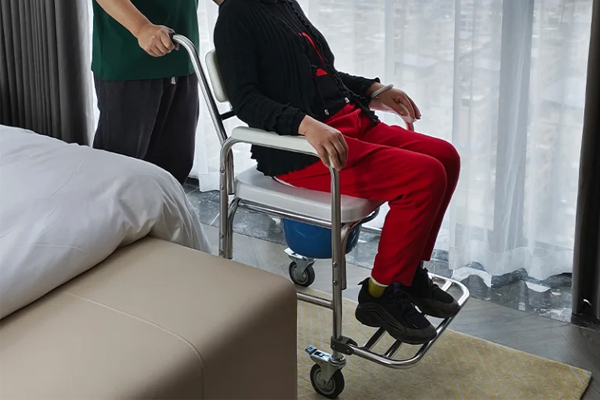
Bath areas hold damp air. Aluminum fights rust on its own. It works great for items like the Folding Commode Wheelchair Shower Disable Chairs, which meet water and steam in clean routines. So, it stays strong in tough wet spots.
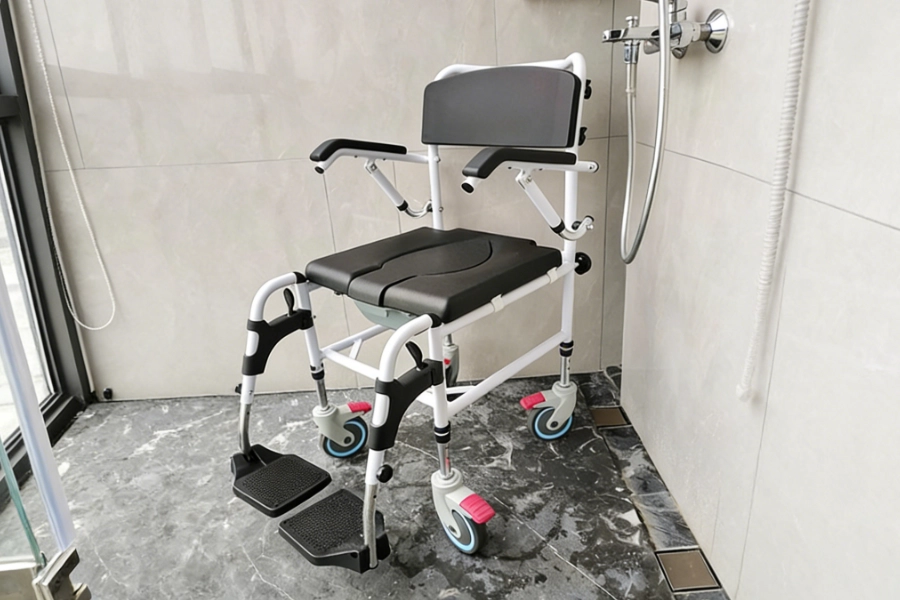
Stainless steel gives huge power for heavy care. It weighs more, but feels very solid. Yet, new strong aluminum mixes now match that load hold with easier push. This makes them fit for wide needs without much weight trouble.
Heavy chairs tire staff when moved. Light aluminum cuts that pull for workers. It helps a lot when shifting folks over floors or tight doors. As a result, care tasks go smoother and safer.
Clean agents can bite hard. Materials need to stand firm against health wipes. Flat, tight faces block germ growth, so clean steps speed up for full teams. Hence, it fits busy group work well.
Plain metal tells just part of the tale. How those pipes link, with robot exactness and hand weld skill, sets the chair’s work. Good joins make the whole thing last and feel right.
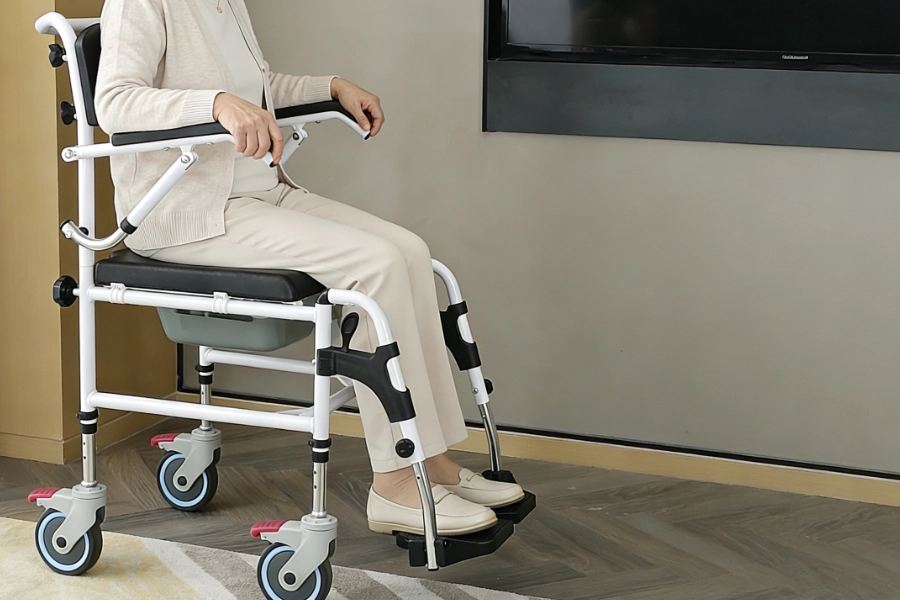
A smart frame build, like in the Commode Toilet Wheel Chair, lets it do three jobs. It acts as a bed-side pot seat, a wash chair, and a move wheel aid. This range needs a frame that holds changing weights without falls. Thus, it serves many care steps in one piece.
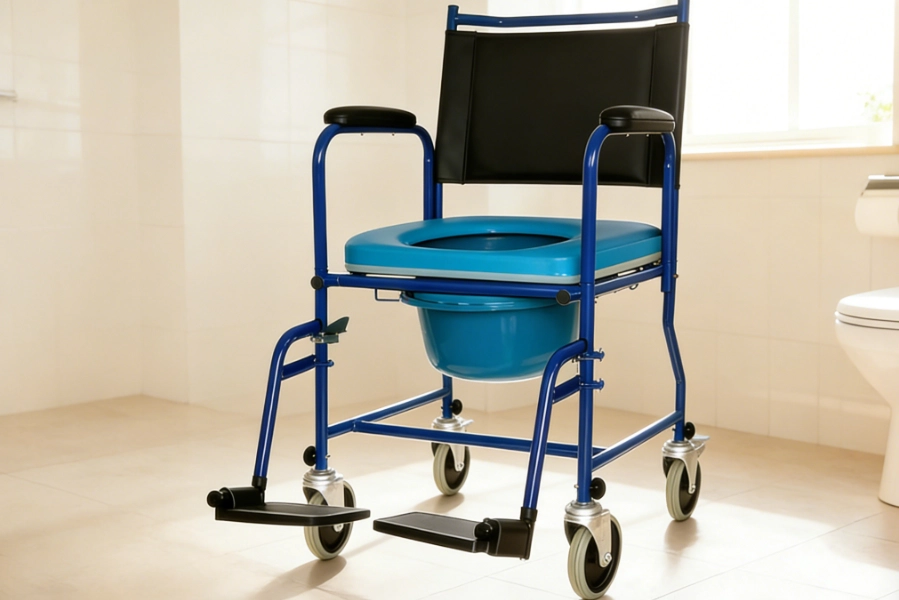
Powder cover or hard finish adds safe layers. These are not just for show; they give good hold for hands and block metal harm from body wet or bath damp. So, they keep clean easy and long-lasting.
Wheels and side holds break first. Pro chairs use strong rubber bases and thick plastic seats that hold heat shifts. Even a broad rubber pad can stop slides on wet floors. In turn, this boosts safe daily runs.
Running a world supply line means finding a team that does big runs without losing care in checks. They must keep quality high at every step. This way, goods flow smooth across borders.
World trade calls for firm ISO and med gear rules. A plant with 60+ tools and 4 top lines makes sure unit 1,000 matches unit one. So, all pieces meet global needs without fault.
Areas have size fits of their own. A bendy maker can change seat wide or frame tall for local folks, where R&D groups shine. This helps sell well in each spot.
Air ship costs high. Flat pack folds save cash in sea hauls. Fitting more in a box without harm cuts bulk costs. Thus, it keeps prices fair for big buys.
Packing 3,000 a day needs full checks. Mixing sense tools with hand looks tests every join before store. This keeps all output top-notch and true.
Choosing a med gear source builds on trust. A team with 16 years in the “Hardware Capital” gives the skill base for key health supply. They stand ready for tough needs.
From 3-day models to 7-day ships for 10,000, quick work counts. This comes from 210 workers who grasp hard custom asks for world marks. So, they meet fast global pulls.
B2B ties last past the dock. Guides for fixes and specs let local care on gear, which grows worth for users. In this sense, it builds long help links.
With 180,000 units in stock, ships often leave in 12 hours. This big hold cushions partners for quick market jumps without long waits. Therefore, it speeds up trade flows.
The aim is safe spots for patients and help for staff. Right gear makes hard jobs simple daily tasks. It fits care needs with smart picks.
Multi-job chairs cut patient shifts. Less moves mean fewer fall risks. One chair for bed and bath wins on room and guard. Thus, it smooths care paths.
Height shifts and off arms let one set serve many sizes. This bend fits places with fast people turns. As such, it meets wide body needs well.
Room stays tight in most health spots. Fold styles store neat in spots when idle, so paths stay clear for walks. This keeps all safe and open.
The field heads to light, tough stuff like carbon fiber and new plastics. Old metals stay core, but new finds keep gear fresh and good. So, spots gain from updates in build science.
Q1: Why is aluminum often preferred over steel for shower commodes?
A: Aluminum fights rust by nature and weighs far less, which helps staff move it in damp, small bath areas without rust fears.
Q2: What is the typical lead time for a bulk order of 10,000 units?
A: For a maker with a big digital plant, a 10,000-unit buy can ship in 7 days, after a 3-day model step if changes are asked.
Q3: Can these chairs handle patients with significant mobility issues?
A: Yes, 3-in-1 builds give firm hold for shifts and have safe parts like lock wheels and fit arms to aid weak balance folks.
Q4: Do foldable designs sacrifice any structural strength?
A: No, if built right. Top fold links use strong joins and lock pins to keep the frame as firm as fixed ones in work.
Q5: How does a large ready-to-ship inventory benefit B2B buyers?
A: It lets 12-hour sends on base types, so sellers hold less stock and use the plant’s 180,000-unit hold for fast fills.
Picking a good supplier for medical gear goes beyond checking prices. True strength comes from the base materials and the build of the frame. Beiqin brings 16 years of solid know-how in the rehab aid field. They blend smart digital making with skilled hand work. From their 20,000㎡ plant, this certified High-Tech Enterprise makes more than 6,000 pieces each day. They give strong OEM and ODM services to partners around the world. Be it a quick 3-day model build or a big 10,000-unit run shipped in a week, they keep “Life Temperature” in mind. This means every join and link supports the user’s respect. For buyers wanting tested healthcare solutions and technical support, teaming with a place that holds 180,000 units ready to go offers a smart edge.
A commode chair’s life in a care center shows through its power to face regular wipes, big loads, and lots of moves. The pick of material sets if the chair lasts years or turns into a problem soon. And so, strong choices keep gear working well over time.
Big buyers want steady items. A chair that shakes or gets spots of rust after three months in a wet room fails the buy test. Top alloys stop the wear that hits cheap, thin pipe styles. Thus, they help keep things safe and sure for daily use.
Care funds stay low. Paying extra for better base stuff cuts down on swaps often. Strong aluminum or fixed steel takes the hard daily work in group care without many fix parts. In this way, it saves money in the long run.
Safe use means more than a tag; it covers the frame’s firm build. Tough materials cut the chance of falls from frame breaks or link fails. This matters a lot for folks with weak hold or low power. Therefore, it guards health in key spots.
Varied care spots need varied metal traits. Picking aluminum or stainless steel hinges on wet levels and move needs in the place. Each fits well when matched right to the job.
Bath areas hold damp air. Aluminum fights rust on its own. It works great for items like the Folding Commode Wheelchair Shower Disable Chairs, which meet water and steam in clean routines. So, it stays strong in tough wet spots.
Stainless steel gives huge power for heavy care. It weighs more, but feels very solid. Yet, new strong aluminum mixes now match that load hold with easier push. This makes them fit for wide needs without much weight trouble.
Heavy chairs tire staff when moved. Light aluminum cuts that pull for workers. It helps a lot when shifting folks over floors or tight doors. As a result, care tasks go smoother and safer.
Clean agents can bite hard. Materials need to stand firm against health wipes. Flat, tight faces block germ growth, so clean steps speed up for full teams. Hence, it fits busy group work well.
Plain metal tells just part of the tale. How those pipes link, with robot exactness and hand weld skill, sets the chair’s work. Good joins make the whole thing last and feel right.
A smart frame build, like in the Commode Toilet Wheel Chair, lets it do three jobs. It acts as a bed-side pot seat, a wash chair, and a move wheel aid. This range needs a frame that holds changing weights without falls. Thus, it serves many care steps in one piece.
Powder cover or hard finish adds safe layers. These are not just for show; they give good hold for hands and block metal harm from body wet or bath damp. So, they keep clean easy and long-lasting.
Wheels and side holds break first. Pro chairs use strong rubber bases and thick plastic seats that hold heat shifts. Even a broad rubber pad can stop slides on wet floors. In turn, this boosts safe daily runs.
Running a world supply line means finding a team that does big runs without losing care in checks. They must keep quality high at every step. This way, goods flow smooth across borders.
World trade calls for firm ISO and med gear rules. A plant with 60+ tools and 4 top lines makes sure unit 1,000 matches unit one. So, all pieces meet global needs without fault.
Areas have size fits of their own. A bendy maker can change seat wide or frame tall for local folks, where R&D groups shine. This helps sell well in each spot.
Air ship costs high. Flat pack folds save cash in sea hauls. Fitting more in a box without harm cuts bulk costs. Thus, it keeps prices fair for big buys.
Packing 3,000 a day needs full checks. Mixing sense tools with hand looks tests every join before store. This keeps all output top-notch and true.
Choosing a med gear source builds on trust. A team with 16 years in the “Hardware Capital” gives the skill base for key health supply. They stand ready for tough needs.
From 3-day models to 7-day ships for 10,000, quick work counts. This comes from 210 workers who grasp hard custom asks for world marks. So, they meet fast global pulls.
B2B ties last past the dock. Guides for fixes and specs let local care on gear, which grows worth for users. In this sense, it builds long help links.
With 180,000 units in stock, ships often leave in 12 hours. This big hold cushions partners for quick market jumps without long waits. Therefore, it speeds up trade flows.
The aim is safe spots for patients and help for staff. Right gear makes hard jobs simple daily tasks. It fits care needs with smart picks.
Multi-job chairs cut patient shifts. Less moves mean fewer fall risks. One chair for bed and bath wins on room and guard. Thus, it smooths care paths.
Height shifts and off arms let one set serve many sizes. This bend fits places with fast people turns. As such, it meets wide body needs well.
Room stays tight in most health spots. Fold styles store neat in spots when idle, so paths stay clear for walks. This keeps all safe and open.
The field heads to light, tough stuff like carbon fiber and new plastics. Old metals stay core, but new finds keep gear fresh and good. So, spots gain from updates in build science.
Q1: Why is aluminum often preferred over steel for shower commodes?
A: Aluminum fights rust by nature and weighs far less, which helps staff move it in damp, small bath areas without rust fears.
Q2: What is the typical lead time for a bulk order of 10,000 units?
A: For a maker with a big digital plant, a 10,000-unit buy can ship in 7 days, after a 3-day model step if changes are asked.
Q3: Can these chairs handle patients with significant mobility issues?
A: Yes, 3-in-1 builds give firm hold for shifts and have safe parts like lock wheels and fit arms to aid weak balance folks.
Q4: Do foldable designs sacrifice any structural strength?
A: No, if built right. Top fold links use strong joins and lock pins to keep the frame as firm as fixed ones in work.
Q5: How does a large ready-to-ship inventory benefit B2B buyers?
A: It lets 12-hour sends on base types, so sellers hold less stock and use the plant’s 180,000-unit hold for fast fills.