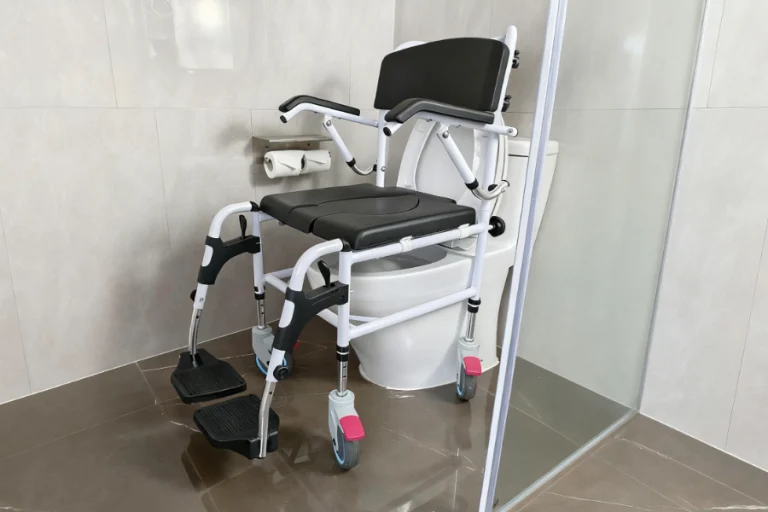
Choosing the correct metal for a commode chair usually boils down to a contest between steel and aluminum. Busy clinical spaces make this decision affect tasks from floor care to patient respect. Beiqin has put in more than 16 years to get this mix right. The company operates a 20,000㎡ automated production site, and it deals with tasks from fast 3-day sample building to huge 10,000-unit sends. Machines do a lot, but around 70% of the effort stays hand-done to keep the personal touch in each join and finish. Buyers looking for targeted solutions or strong OEM/ODM services gain from the knowledge based in the “Hardware Capital,” which makes sure every tool handles the regular strains of skilled care.
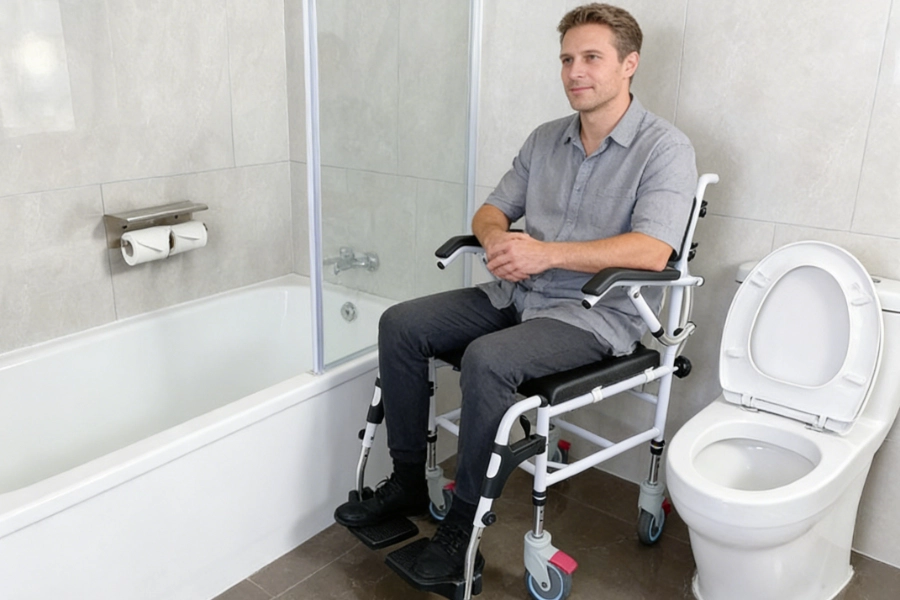
The pick of steel or aluminum for a commode chair hardly ever centers on style and mostly deals with the item’s full life. Clinical areas prove harsh on tools. Gear shifts all the time, strikes door edges, and goes through chemical wipes many times each day. If the substance breaks down, the place faces not only swap costs but also a protection duty.
Medical helps need to handle steady load strains without frame tiredness. Carbon steel commonly leads for fixed or tough jobs, since it gives a firm base that stays rigid under force. Aluminum, even if less heavy, has to use top-grade type to stop twisting during months of heavy work. So, these standards guide choices to support lasting use in care settings.
Clean standards cannot change. Materials have to be without pores and able to take strong medical cleaners. Aluminum fights rust by nature, but steel calls for good powder cover or chrome finish to stop decay in wet hospital wash spots. These features help keep areas free from risks for patients and staff alike.
Steadiness serves as the main element to avoid slips, which make up a large share of hospital hurts. A seat that seems shaky or jiggles in a shift can make a user uneasy. The metal’s own weight adds straight to how safe the person feels. Thus, right picks lower these dangers in daily routines.
For larger patients or people with weak center balance, the frame’s plain power stands as the key detail. Tough uses need a substance that gives high pull strength. Here, carbon steel stands out, as it offers a thick, firm form that takes bigger loads than usual blends.
Steel bases work best for tools that stay put or back over 300 lbs. The weld spots on steel hold up very well. In a full clinic, these seats often get pulled over floors or knocked against walls. Steel handles that rough treatment without splits. This build ensures steady help over time.
Hospital paths carry heavy traffic. Steel-made gear dents less when hitting thick doors or other carts. That toughness keeps the group looking pro and working far longer than milder picks. It also helps cut down on quick repairs in busy spots.
Places needing full steadiness see the Heavy Duty Commode Toilet Chair as a top case of build for power. Made for elders and users with limits who want a firm ground, this seat uses extra-strong framing to deal with hard daily moves while keeping safety intact. Its setup fits tough care needs without fail.
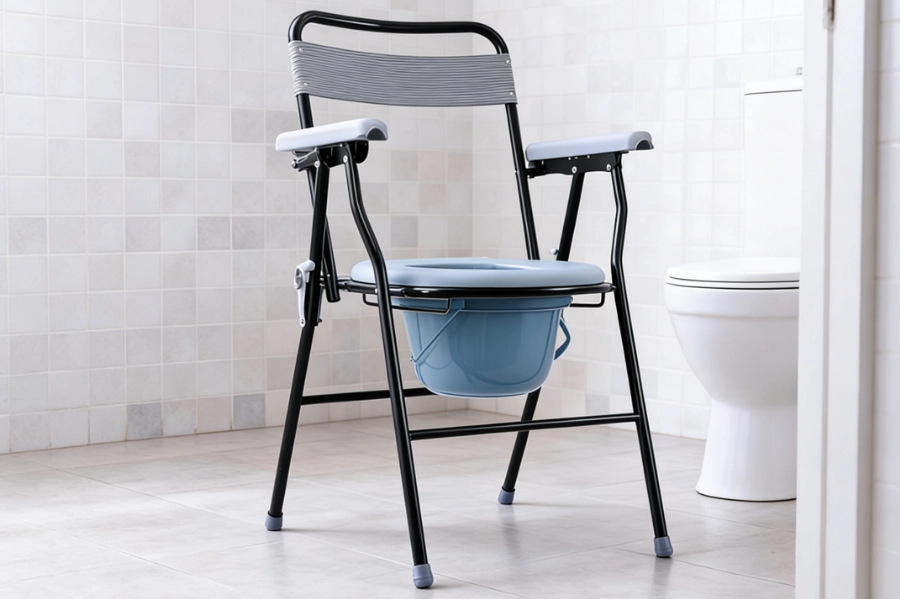
Steel leads in power, but aluminum tops in handling and simple use. Workers often get back aches from moving heavy tools. A lower-weight frame cuts the body load on team members, which lets them redo rooms faster and shift items easier across sections.
Aluminum weighs about one-third as much as steel. That gap counts a lot when a nurse lifts a seat over a step or puts it in a car. New aluminum types get handled to fill the power hole, giving good hold for their size. As a result, it smooths out work flows in care tasks.
Wash areas hold steady dampness. Aluminum makes its own oxide skin that shields from rust, so it suits gear close to showers best. It avoids the need for regular checks on paint breaks, because the metal fights water harm on its own. This cuts down on upkeep efforts daily.
Blending rust fight and easy moves, the Bathroom Commode Toilet Chair Portable Wheelchair gives a flexible answer. Its fold build and aluminum setup make it ideal for shared areas where tools shift often from beds to shower spots. That design matches varied use patterns well.
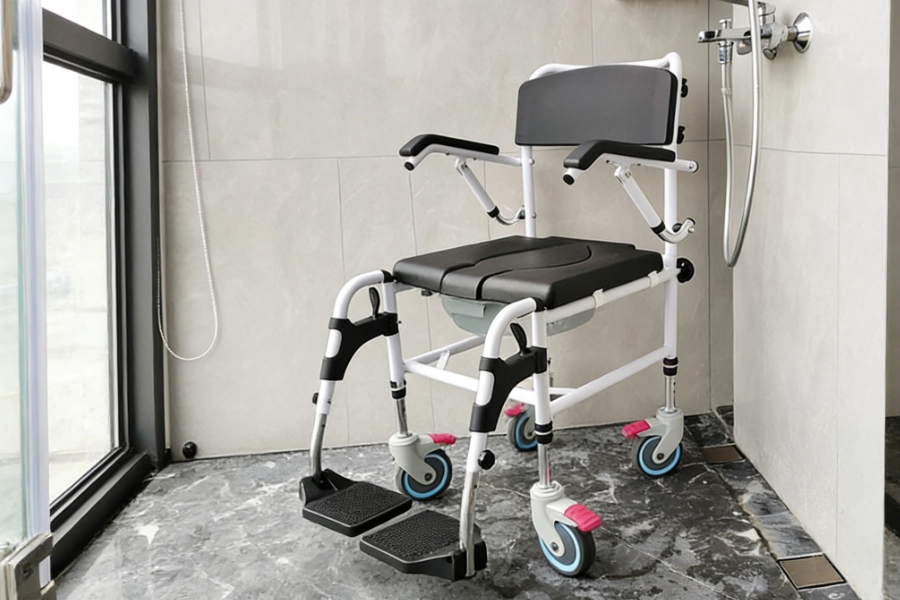
Setting funds for a care home or site means going beyond the first bill. A seat that holds six months costs way more than a better one that lasts five years. The full ownership price takes in upkeep, swap times, and cleaning work fees.
Steel often proves cheaper at first from lower base costs and common making steps. Yet in damp areas, rust risks can trim its life against aluminum. Aluminum brings a higher start price but usually covers it with longer hold in moist setups. This balance helps in wise spending plans.
Aluminum works as easy keep. Besides looking at bolts and wheels, the base stays clean. Steel needs some extra watch to make sure the guard layer lacks scrapes, which might cause spot decay if not fixed in a wet wash area. Proper steps keep both running smooth for years.
Substance pick sets the size and sense of the item. A good commode seat draws on the metal’s traits to better the user time. For one, how a metal tube bends can give stronger hold spots for a person with joint issues.
The weight center shifts with the metal chosen. Steel seats usually have a lower weight center, which makes them feel more set in rise shifts. Aluminum seats use broader bases or special leg shapes to get the same safety level while staying light. These changes make transfers safer overall.
Even, linked welds clean up with less work. In a plant with 16 years of know-how, the goal is to cut “dirt spots” where germs might stick. No matter steel or aluminum, the face polish has to be sleek to fit the fast-change needs of a work unit. That focus aids quick daily cleans.
In global trade, trust comes from docs and checked work. Picking a source goes past the item; it includes the service and support base behind it. A team with 15 years of past gets the fine points of world sends and local rules.
Sure work rests on solid facts. The maker’s group of certificates—like CE, FDA, and ISO rules—works as a pro vow. These beat simple tags; they stand for a drive toward strict checks and world safety matches that most “trade groups” just miss. Such proof strengthens ties with buyers.
Each area shows varied wants. Some spots need bigger seats; others call for set height spans. With more than 60 pro tools and 4 key build lines, the skill to shape items from start forms a main plus. It lets firms meet exact market fits.
Sending 2.3 million pieces each year needs over a plant; it asks for a move system. A store with up to 180,000 items keeps shortages low. For trade buyers, this splits hitting bid times or missing deals. Sending ready stock in 12 hours shifts urgent buy tasks big time.
People seeking solid medical helps for their next job should step up now. Bulk buyers and site buy leads can touch the sales crew for a made quote or look through the whole list of marked mobility tools to pick the best for their place.
Q1: Which metal is better for a chair that will be used inside a shower?
A: Aluminum is the superior choice for wet environments. It naturally resists rust and corrosion, whereas steel requires a perfect coating to stay protected from water.
Q2: Can aluminum chairs support the same weight as steel chairs?
A: High-grade aluminum alloys can support significant weight, but carbon steel is generally preferred for heavy duty or bariatric models due to its higher density and structural rigidity.
Q3: Is the 3-day prototyping service available for custom designs?
A: Yes, the manufacturing facility specializes in rapid 3-day prototyping for OEM and ODM projects, allowing partners to verify designs quickly before mass production.
Q4: Do these commode chairs meet international medical standards?
A: Absolutely. All products are manufactured in a facility that holds recognized certifications like CE, FDA, and ISO, ensuring they meet global safety requirements for clinical use.
Q5: What is the typical lead time for a bulk order of 10,000 units?
A: For large-scale procurement, the factory is capable of delivering 10,000 units within 7 days, thanks to its high daily production capacity and streamlined assembly lines.
Choosing the correct metal for a commode chair usually boils down to a contest between steel and aluminum. Busy clinical spaces make this decision affect tasks from floor care to patient respect. Beiqin has put in more than 16 years to get this mix right. The company operates a 20,000㎡ automated production site, and it deals with tasks from fast 3-day sample building to huge 10,000-unit sends. Machines do a lot, but around 70% of the effort stays hand-done to keep the personal touch in each join and finish. Buyers looking for targeted solutions or strong OEM/ODM services gain from the knowledge based in the “Hardware Capital,” which makes sure every tool handles the regular strains of skilled care.
The pick of steel or aluminum for a commode chair hardly ever centers on style and mostly deals with the item’s full life. Clinical areas prove harsh on tools. Gear shifts all the time, strikes door edges, and goes through chemical wipes many times each day. If the substance breaks down, the place faces not only swap costs but also a protection duty.
Medical helps need to handle steady load strains without frame tiredness. Carbon steel commonly leads for fixed or tough jobs, since it gives a firm base that stays rigid under force. Aluminum, even if less heavy, has to use top-grade type to stop twisting during months of heavy work. So, these standards guide choices to support lasting use in care settings.
Clean standards cannot change. Materials have to be without pores and able to take strong medical cleaners. Aluminum fights rust by nature, but steel calls for good powder cover or chrome finish to stop decay in wet hospital wash spots. These features help keep areas free from risks for patients and staff alike.
Steadiness serves as the main element to avoid slips, which make up a large share of hospital hurts. A seat that seems shaky or jiggles in a shift can make a user uneasy. The metal’s own weight adds straight to how safe the person feels. Thus, right picks lower these dangers in daily routines.
For larger patients or people with weak center balance, the frame’s plain power stands as the key detail. Tough uses need a substance that gives high pull strength. Here, carbon steel stands out, as it offers a thick, firm form that takes bigger loads than usual blends.
Steel bases work best for tools that stay put or back over 300 lbs. The weld spots on steel hold up very well. In a full clinic, these seats often get pulled over floors or knocked against walls. Steel handles that rough treatment without splits. This build ensures steady help over time.
Hospital paths carry heavy traffic. Steel-made gear dents less when hitting thick doors or other carts. That toughness keeps the group looking pro and working far longer than milder picks. It also helps cut down on quick repairs in busy spots.
Places needing full steadiness see the Heavy Duty Commode Toilet Chair as a top case of build for power. Made for elders and users with limits who want a firm ground, this seat uses extra-strong framing to deal with hard daily moves while keeping safety intact. Its setup fits tough care needs without fail.
Steel leads in power, but aluminum tops in handling and simple use. Workers often get back aches from moving heavy tools. A lower-weight frame cuts the body load on team members, which lets them redo rooms faster and shift items easier across sections.
Aluminum weighs about one-third as much as steel. That gap counts a lot when a nurse lifts a seat over a step or puts it in a car. New aluminum types get handled to fill the power hole, giving good hold for their size. As a result, it smooths out work flows in care tasks.
Wash areas hold steady dampness. Aluminum makes its own oxide skin that shields from rust, so it suits gear close to showers best. It avoids the need for regular checks on paint breaks, because the metal fights water harm on its own. This cuts down on upkeep efforts daily.
Blending rust fight and easy moves, the Bathroom Commode Toilet Chair Portable Wheelchair gives a flexible answer. Its fold build and aluminum setup make it ideal for shared areas where tools shift often from beds to shower spots. That design matches varied use patterns well.
Setting funds for a care home or site means going beyond the first bill. A seat that holds six months costs way more than a better one that lasts five years. The full ownership price takes in upkeep, swap times, and cleaning work fees.
Steel often proves cheaper at first from lower base costs and common making steps. Yet in damp areas, rust risks can trim its life against aluminum. Aluminum brings a higher start price but usually covers it with longer hold in moist setups. This balance helps in wise spending plans.
Aluminum works as easy keep. Besides looking at bolts and wheels, the base stays clean. Steel needs some extra watch to make sure the guard layer lacks scrapes, which might cause spot decay if not fixed in a wet wash area. Proper steps keep both running smooth for years.
Substance pick sets the size and sense of the item. A good commode seat draws on the metal’s traits to better the user time. For one, how a metal tube bends can give stronger hold spots for a person with joint issues.
The weight center shifts with the metal chosen. Steel seats usually have a lower weight center, which makes them feel more set in rise shifts. Aluminum seats use broader bases or special leg shapes to get the same safety level while staying light. These changes make transfers safer overall.
Even, linked welds clean up with less work. In a plant with 16 years of know-how, the goal is to cut “dirt spots” where germs might stick. No matter steel or aluminum, the face polish has to be sleek to fit the fast-change needs of a work unit. That focus aids quick daily cleans.
In global trade, trust comes from docs and checked work. Picking a source goes past the item; it includes the service and support base behind it. A team with 15 years of past gets the fine points of world sends and local rules.
Sure work rests on solid facts. The maker’s group of certificates—like CE, FDA, and ISO rules—works as a pro vow. These beat simple tags; they stand for a drive toward strict checks and world safety matches that most “trade groups” just miss. Such proof strengthens ties with buyers.
Each area shows varied wants. Some spots need bigger seats; others call for set height spans. With more than 60 pro tools and 4 key build lines, the skill to shape items from start forms a main plus. It lets firms meet exact market fits.
Sending 2.3 million pieces each year needs over a plant; it asks for a move system. A store with up to 180,000 items keeps shortages low. For trade buyers, this splits hitting bid times or missing deals. Sending ready stock in 12 hours shifts urgent buy tasks big time.
People seeking solid medical helps for their next job should step up now. Bulk buyers and site buy leads can touch the sales crew for a made quote or look through the whole list of marked mobility tools to pick the best for their place.
Q1: Which metal is better for a chair that will be used inside a shower?
A: Aluminum is the superior choice for wet environments. It naturally resists rust and corrosion, whereas steel requires a perfect coating to stay protected from water.
Q2: Can aluminum chairs support the same weight as steel chairs?
A: High-grade aluminum alloys can support significant weight, but carbon steel is generally preferred for heavy duty or bariatric models due to its higher density and structural rigidity.
Q3: Is the 3-day prototyping service available for custom designs?
A: Yes, the manufacturing facility specializes in rapid 3-day prototyping for OEM and ODM projects, allowing partners to verify designs quickly before mass production.
Q4: Do these commode chairs meet international medical standards?
A: Absolutely. All products are manufactured in a facility that holds recognized certifications like CE, FDA, and ISO, ensuring they meet global safety requirements for clinical use.
Q5: What is the typical lead time for a bulk order of 10,000 units?
A: For large-scale procurement, the factory is capable of delivering 10,000 units within 7 days, thanks to its high daily production capacity and streamlined assembly lines.